
Winter camping brings a kind of peace and beauty you just don’t get in summer. Snowy landscapes and silent trails really make every moment outside feel a bit magical.
With the right tent setup and a few smart tricks, you can stay warm, dry, and comfortable all night long.
You don’t need fancy gear to enjoy cold weather; you just need to know how to work with what you’ve got. Figuring out how to pick a sturdy four-season tent, insulate your sleeping area, and keep condensation in check can turn a freezing night into something surprisingly cozy.
Check out practical tips from guides like The Dyrt’s winter camping advice and REI’s expert winter camping basics before you head out.
Table of Content
Key Takeaways
- Learn how to set up your tent for warmth and comfort in cold weather.
- Discover simple ways to stay safe and cozy during winter camping.
- Get practical tips that make cold-weather camping enjoyable and stress-free.
Essential Winter Camping Tent Tips
Cold weather camping really tests your planning and gear. You’ve got to set up your tent for warmth, safety, and comfort, no shortcuts here.
Shelter design, ground insulation, snow stability, and airflow all play a part in keeping you warm and dry through the night.
Choosing the Right Winter Tent
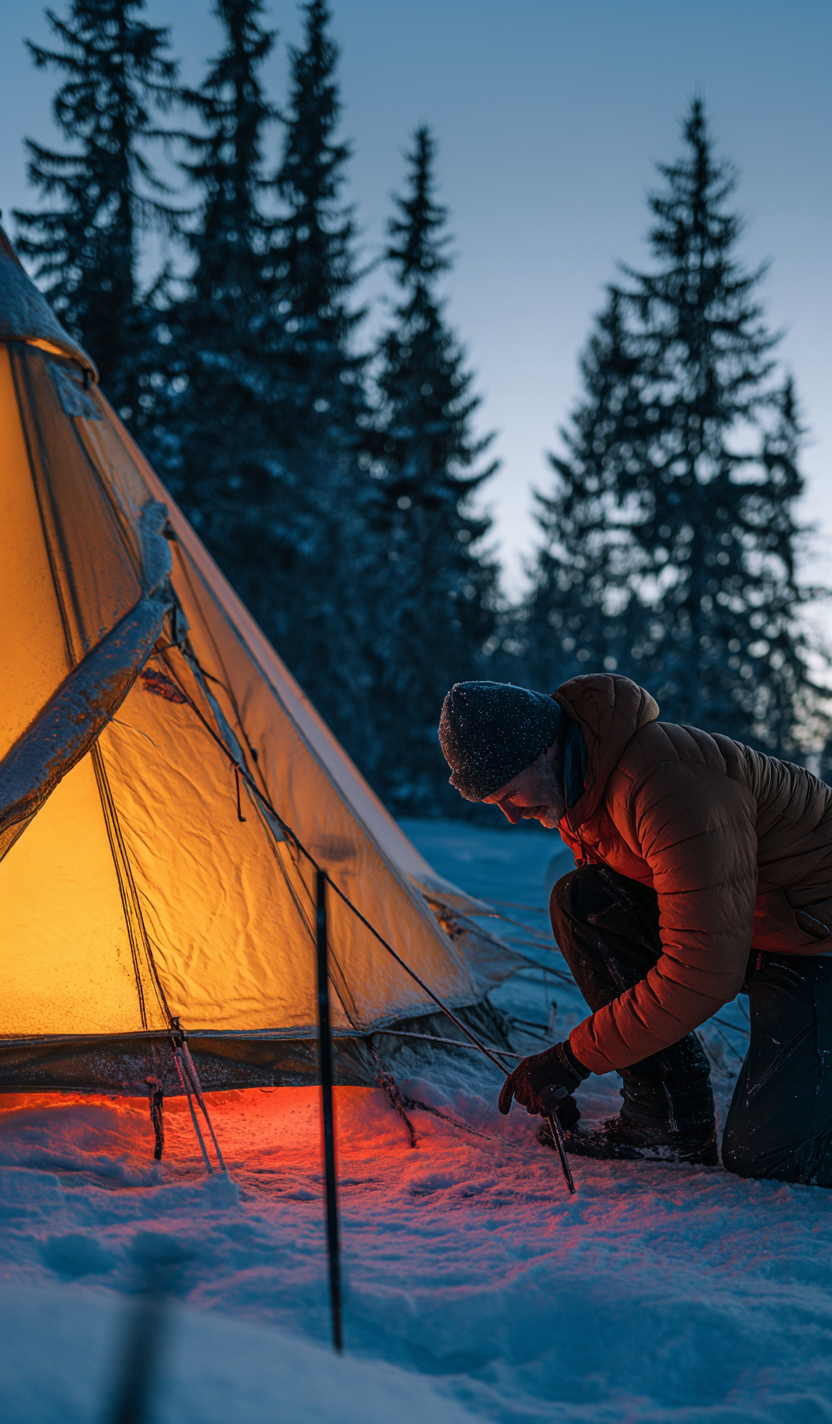
Pick a four-season tent that stands up to strong winds, heavy snow, and freezing temps. These tents use beefier poles, thicker fabric, and a lower profile to cut down on wind resistance. Some even throw in snow flaps to block drafts, which is honestly a lifesaver.
Double-wall designs help a lot by reducing condensation and adding insulation. If you can snag a tent with a roomy vestibule, you’ll have a spot to stash gear and maybe cook out of the wind.
Expecting gnarly weather? Go for a mountaineering tent with reinforced poles and guy-out points. If things look milder, a solid backpacking tent rated for winter use might do just fine. You can compare features in guides like 12 Tent Tips for Winter Camping if you want to nerd out on the details.
Proper Tent Site Selection
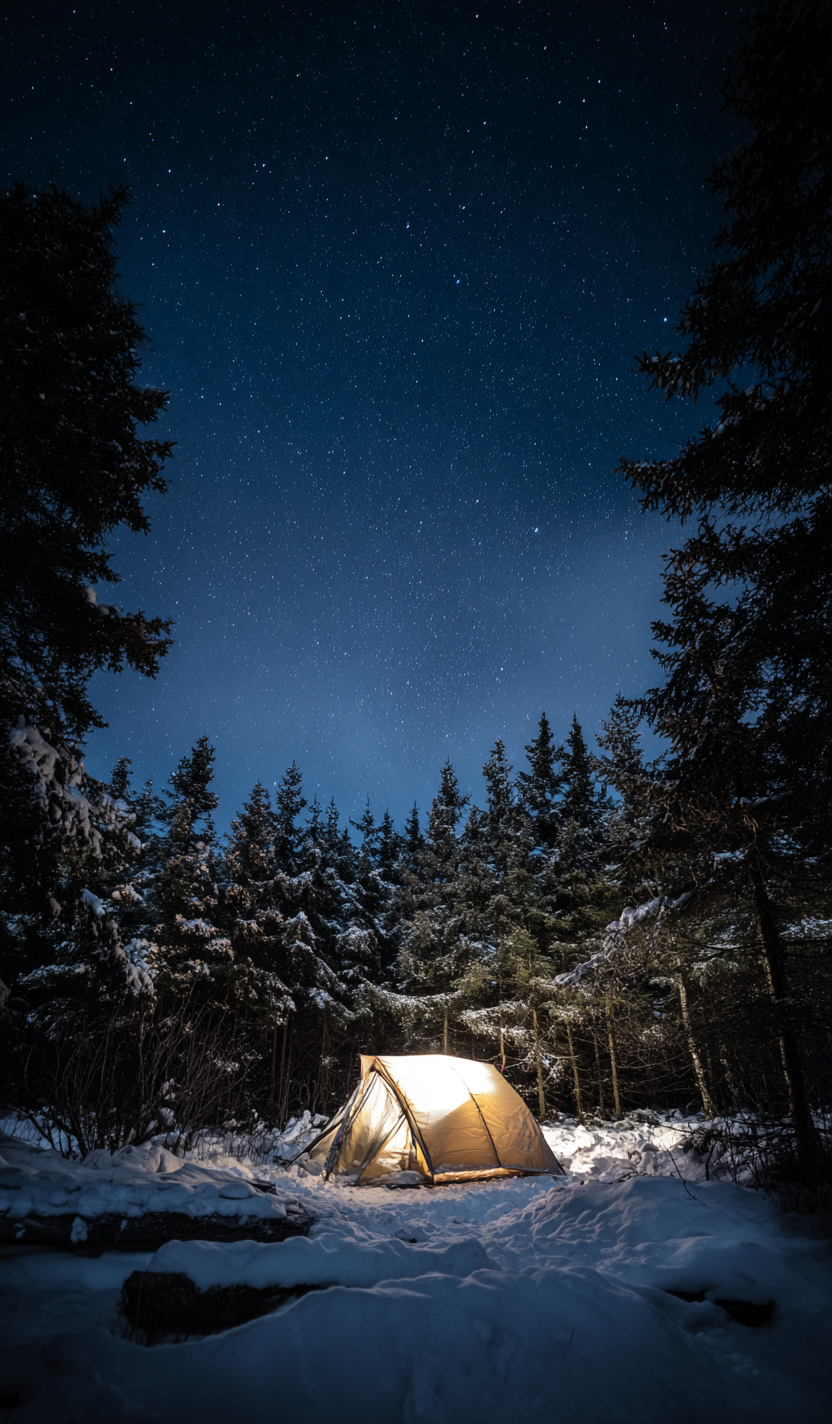
Pick a campsite that’s flat, sheltered, and away from avalanche zones or sketchy branches. Skip valleys where cold air pools and ridges that catch every gust of wind.
Packing down the snow before you set up creates a solid base, so you don’t sink and you get better insulation. I usually stomp it down with boots or snowshoes, takes a few minutes but totally worth it.
Set up near natural windbreaks like trees or rocks if you can. Face your entrance away from the wind. There’s more on this in Winter Camping and Backpacking Basics if you want specifics.
Insulating the Tent Floor
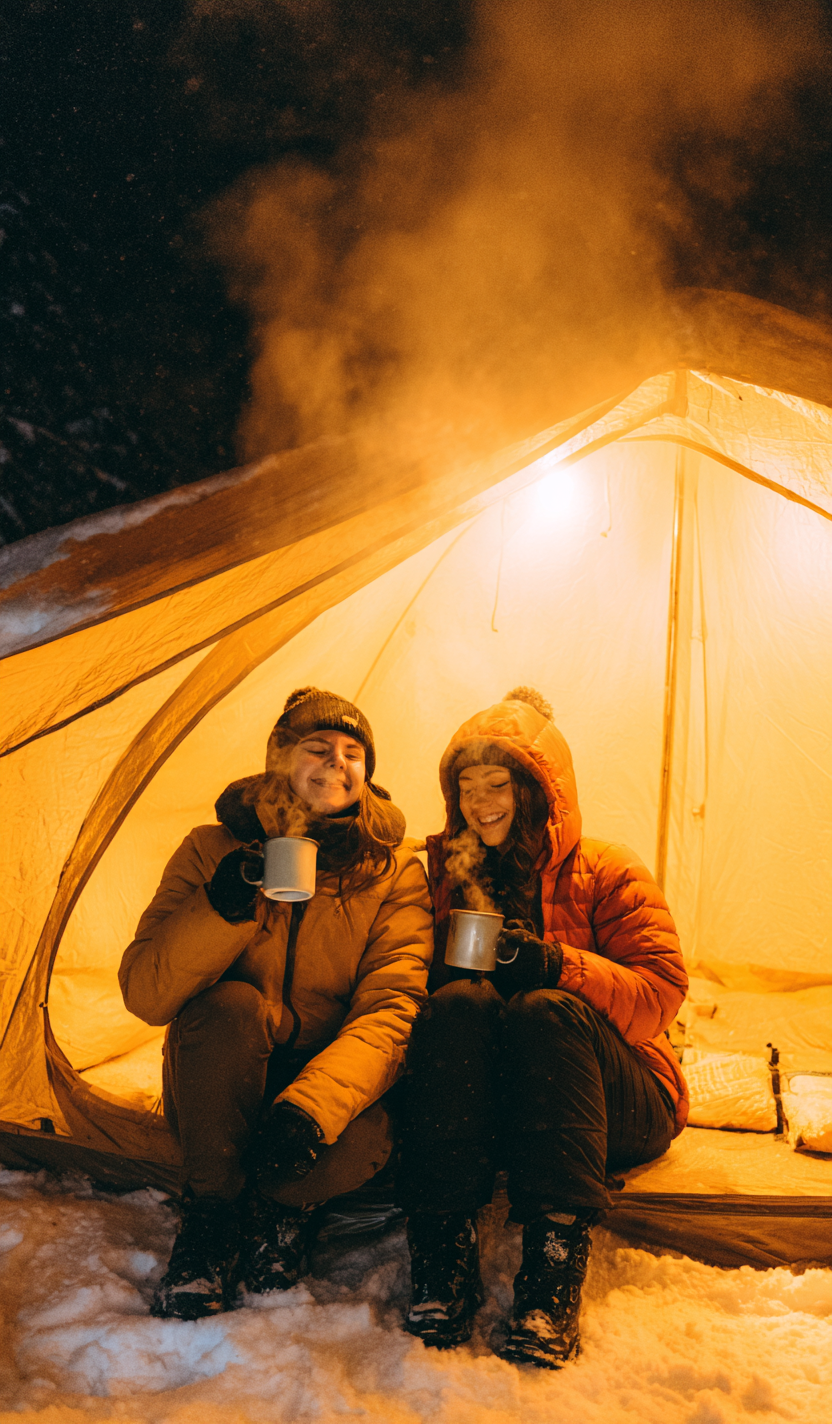
The cold ground will steal your heat fast, so focus on insulating under your sleeping area. Lay down a ground tarp or footprint to block moisture, then add a foam or closed-cell pad underneath your inflatable sleeping pad for extra warmth.
Try this layered system:
- Bottom layer: Groundsheet or tarp
- Middle layer: Closed-cell foam pad
- Top layer: Inflatable pad or insulated mat
If you’re still cold, spread out some extra clothes or a blanket under your sleeping bag. This setup really helps trap heat and keeps you off the ice. There’s more insulation advice in The Essentials You Need to Know About Winter Tent Camping if you’re curious.
Securing Your Tent in Snow
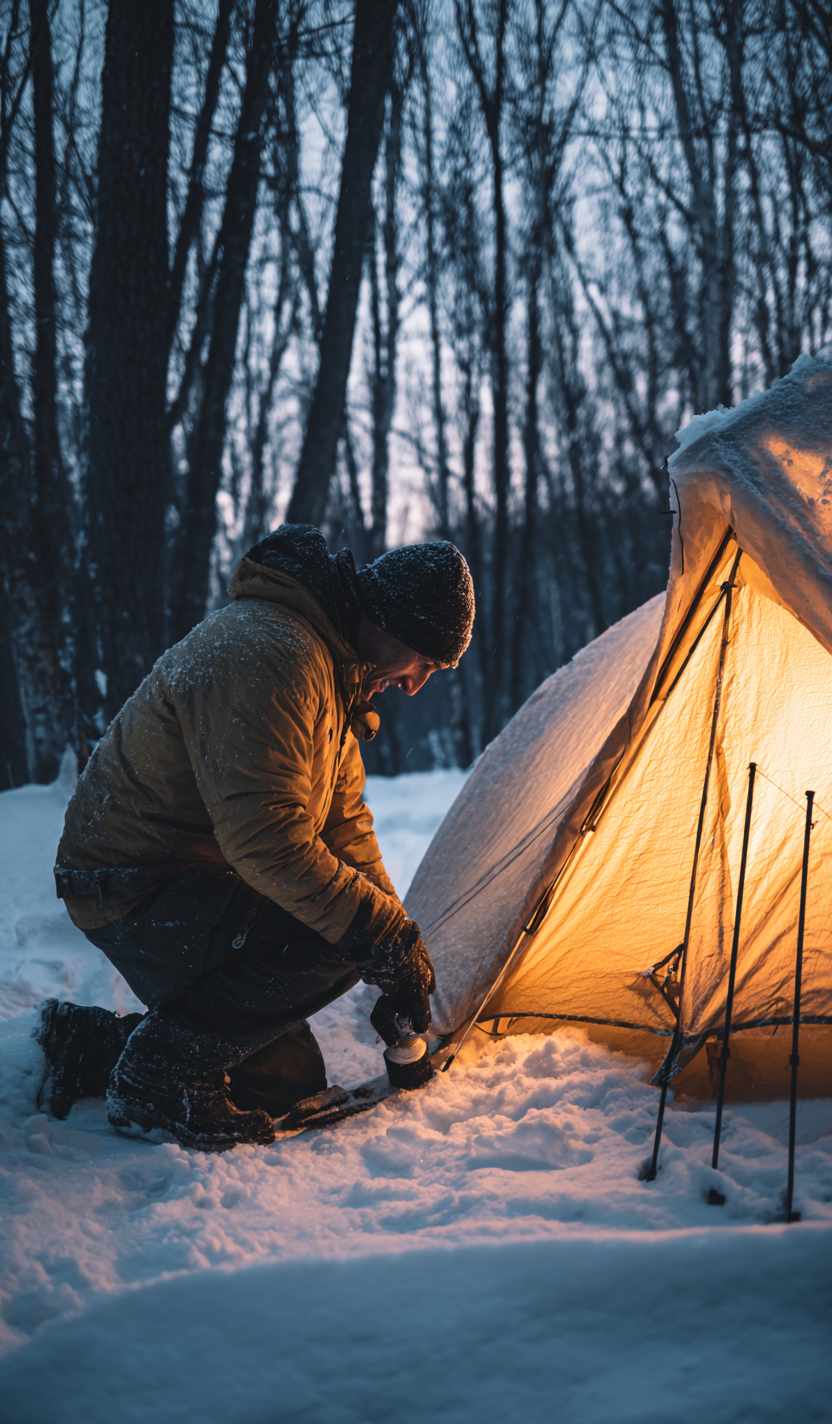
Regular tent stakes don’t cut it in snow. Use snow stakes, buried anchors, or even sticks tied with guy lines to keep your tent from blowing away. I usually bury stakes horizontally in packed snow and let them freeze in place for extra grip.
Tighten guy lines evenly to keep fabric from sagging and help your tent stand up to wind. If snow piles up on the tent, brush it off now and then so your poles don’t buckle.
Digging a little trench at the entrance helps with getting in and out, and it gives you better wind protection. There’s some good info on snow setups in 8 Winter Tent Camping Tips to Keep You Cozy in The Cold Weather.
Ventilation and Condensation Management
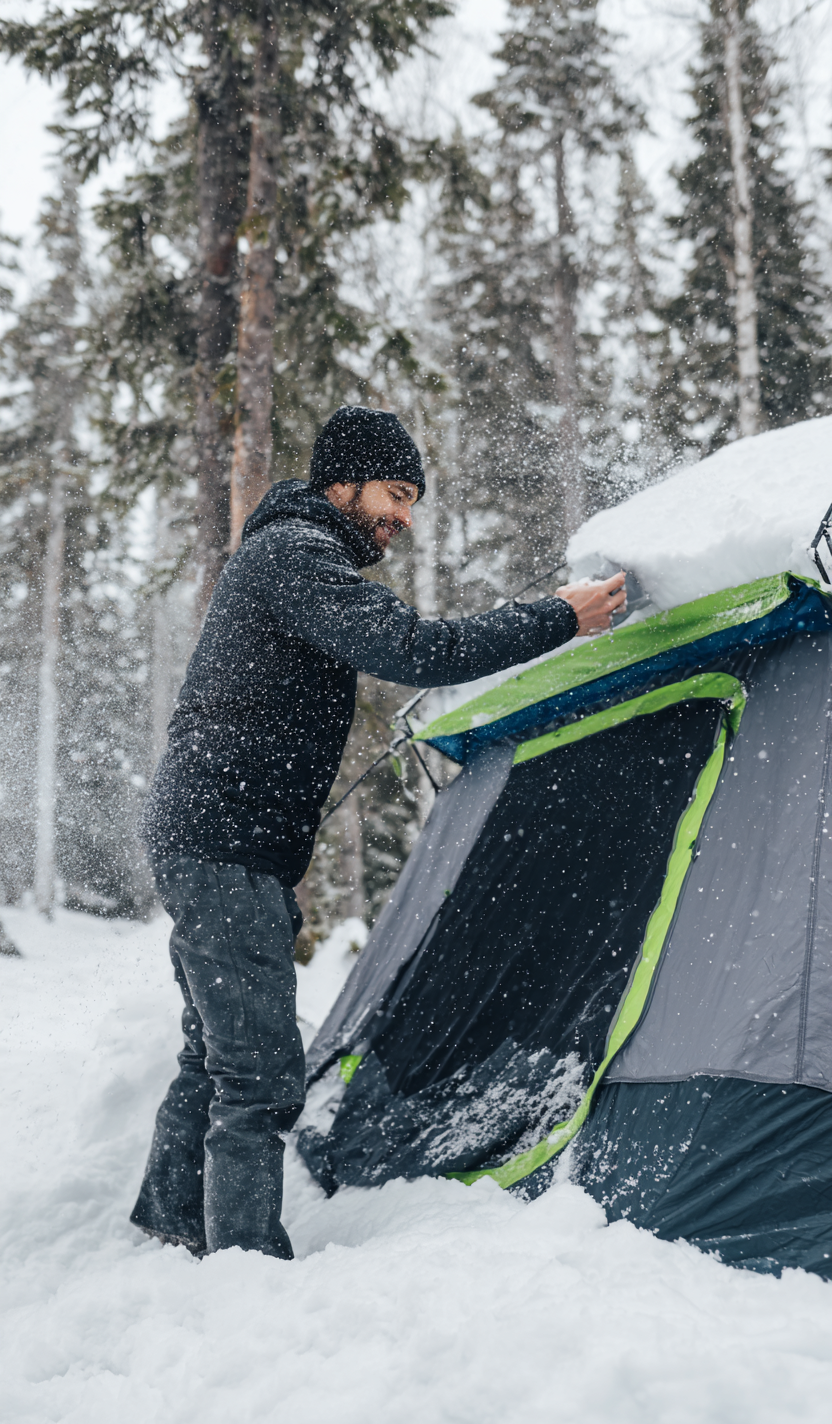
Even when it’s freezing, ventilation matters. Without airflow, your breath and gear will dump moisture inside the tent, and that stuff freezes fast. Crack open vents or unzip doors on opposite sides to get some cross-breeze going.
Don’t dry wet clothes inside the tent, it just adds humidity. Keep snow out of the vents, but clear away any ice so air can actually move.
If you spot condensation, wipe it up with a towel before it turns to ice. Tents with adjustable vents and mesh panels make it easier to balance warmth and airflow. There’s more about this in 10 Essential Tips For Tent Camping In Cold Weather if you want to dive deeper.
Staying Comfortable and Safe in Cold Conditions
You can stay warm, dry, and safe while winter camping if you keep moisture under control, use heat carefully, and pack your gear the right way. Paying attention to your body and equipment in cold weather helps you avoid frostbite, hypothermia, and gear failures.
Managing Moisture and Wet Gear
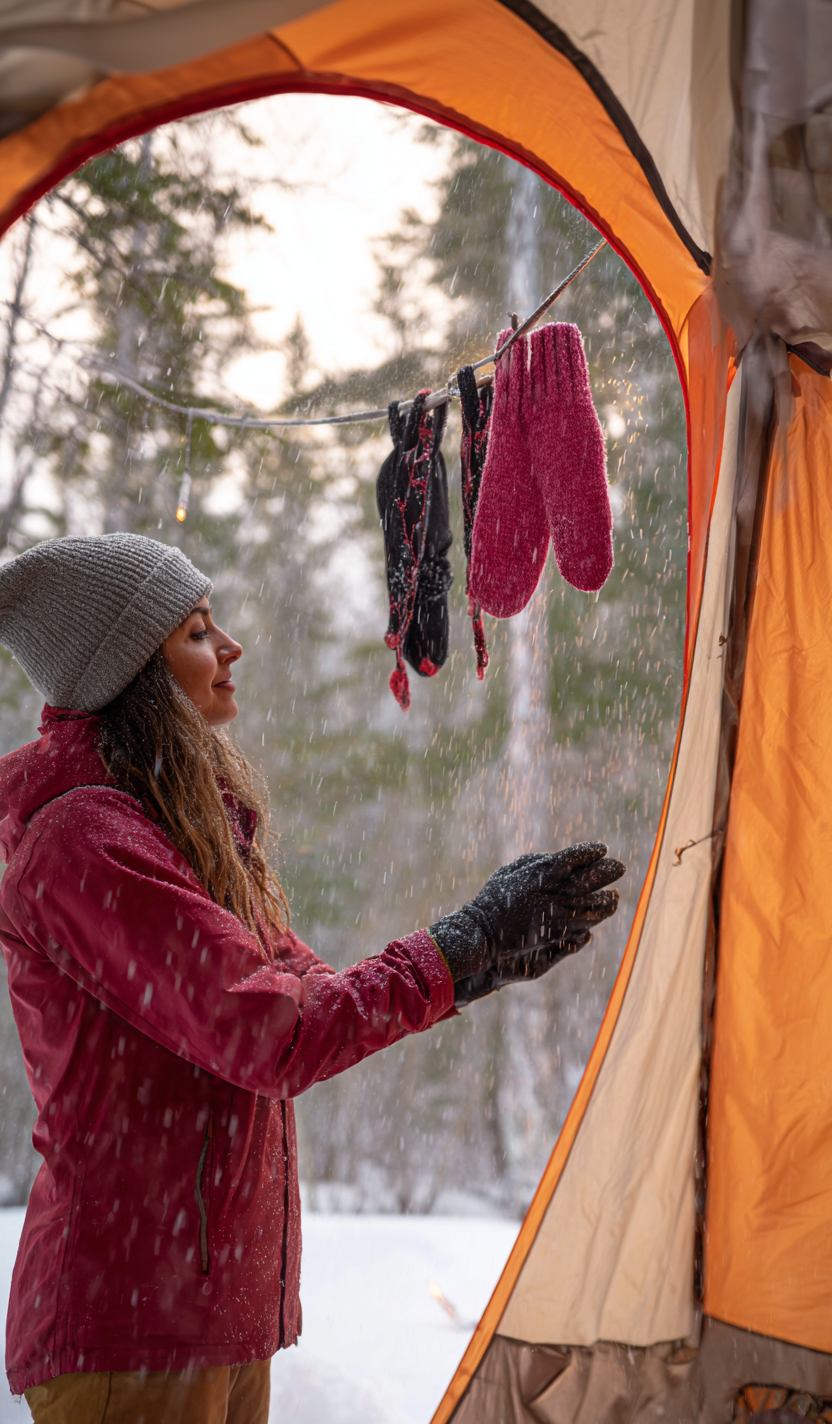
Moisture is honestly one of the biggest headaches in cold camping. Wet clothing or bags lose insulation fast, and that’s a recipe for misery. Stick with moisture-wicking base layers and change out of damp clothes as soon as you can.
Hang wet gear in your tent’s vestibule or near a vent so air can circulate. Skip drying stuff over open flames or stoves, it’s risky and usually just makes more condensation. Open vents to keep humidity down inside the tent.
Stash damp items in a separate dry bag to keep them from freezing overnight. If you want more tips on staying dry and warm, check out these cold-weather camping tips.
Heating Options and Safety
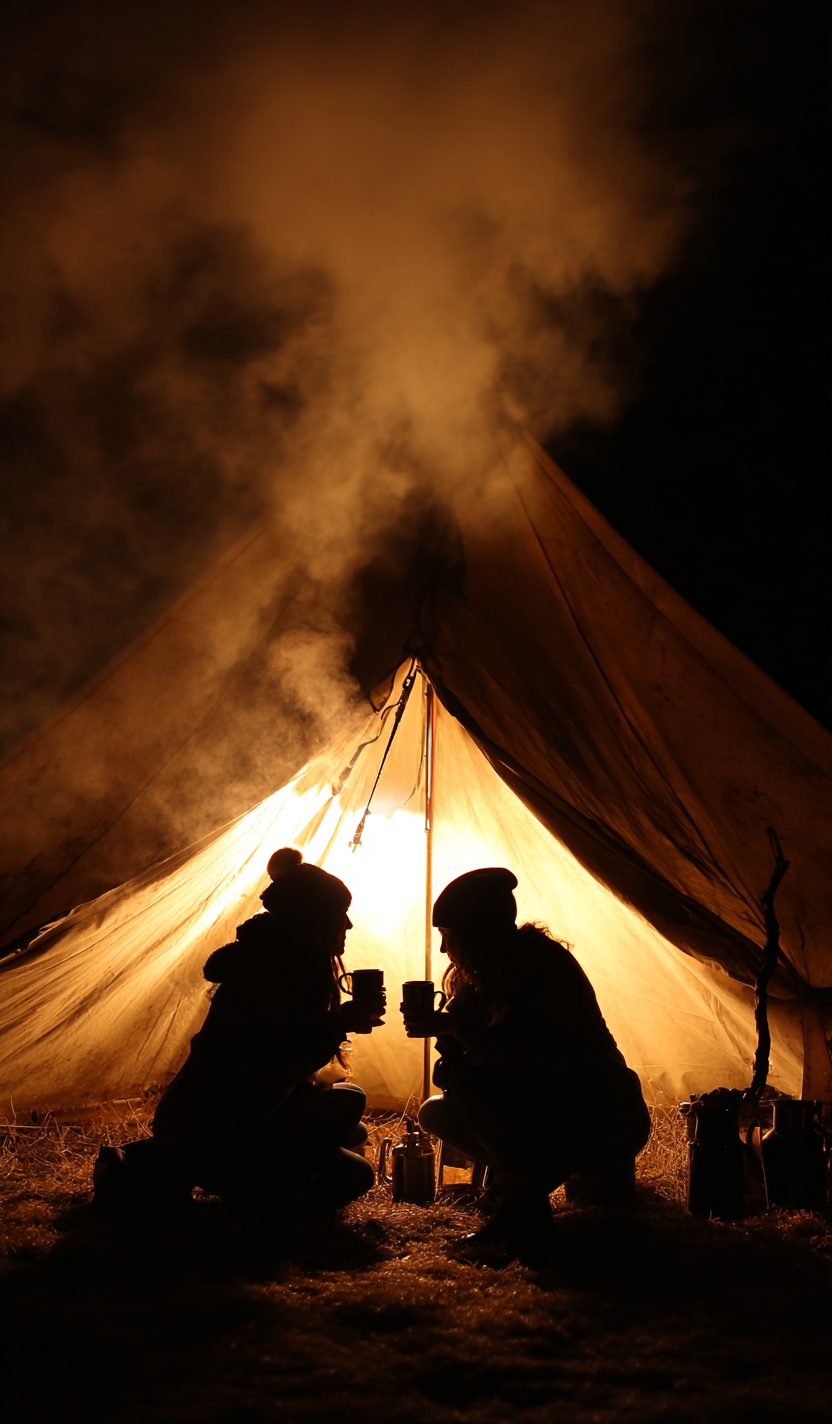
Use heat sources with care when you’re out in the cold. A four-season tent with decent ventilation traps warmth but still lets in fresh air. I like tossing a hot water bottle in my sleeping bag for a little extra heat at night, it’s simple and works.
If you’re thinking about a tent-safe heater, definitely follow the safety instructions. Never use propane or butane heaters without proper ventilation, carbon monoxide is no joke. Always keep heaters steady and away from anything that could catch fire.
Layer your sleeping setup with insulated pads and a sleeping bag rated for the temps you’ll face. There’s more on safe and effective heating in these essential cold weather camping tips.
Packing Up in Winter Weather
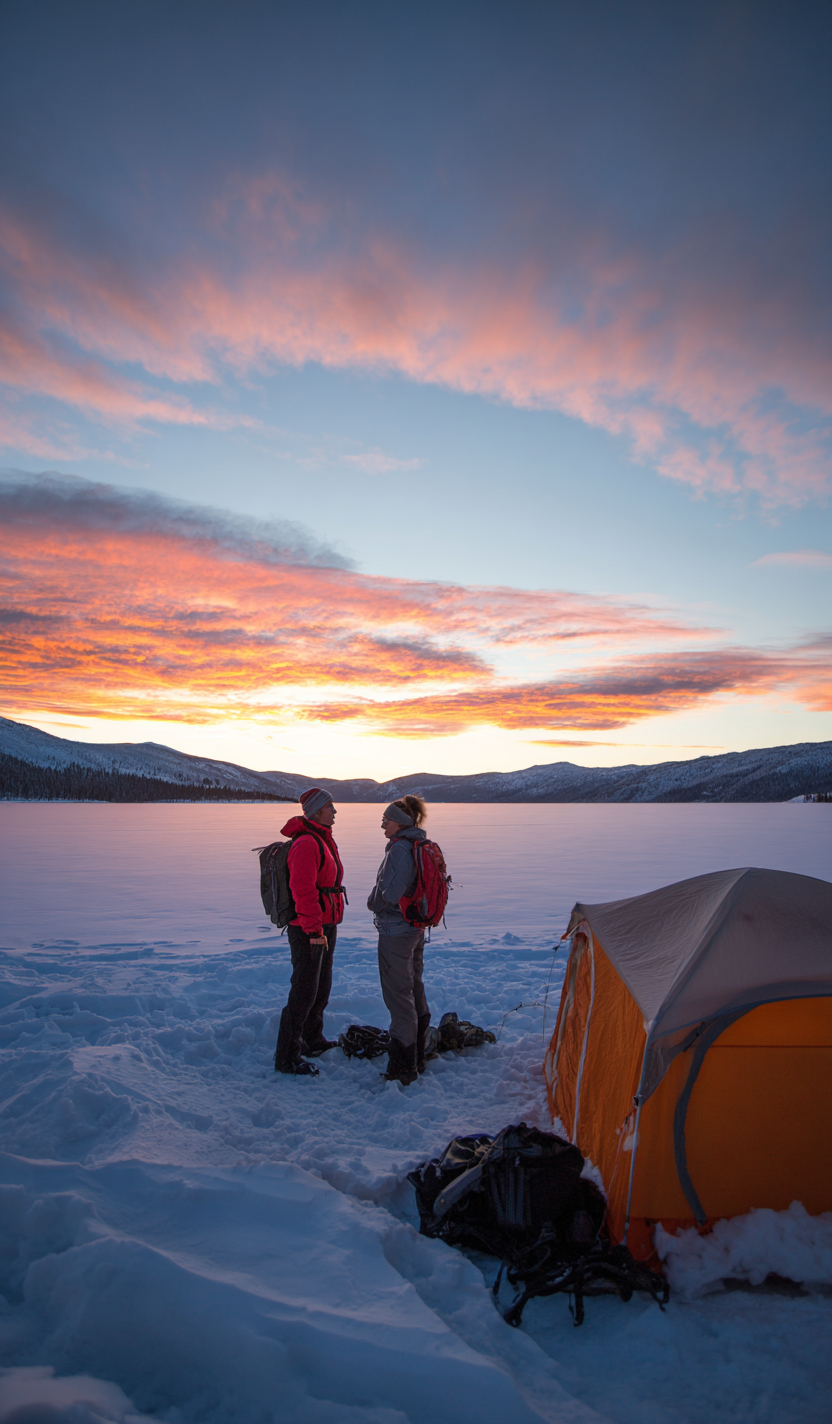
Packing up in the cold takes patience and a bit of planning. Keep your gloves on when handling metal tent poles, trust me, you don’t want your skin sticking to frozen metal. Knock off snow and ice from your gear before packing, so you don’t trap moisture inside your bags.
Pack your sleeping bag and clothes in waterproof compression sacks. I stick critical stuff like matches or electronics close to my body so they don’t freeze up.
Before you leave, double-check for gear buried in the snow. For practical tips on breaking down camp in winter, check out this winter camping guide.
Conclusion
Winter camping can honestly be a blast, there’s something special about the quiet and the snow, right? If you prepare well, it’s peaceful, not punishing.
Staying warm takes a little know-how, but it’s not rocket science. Pick the right gear and scout out safe spots for your tent, and you’re halfway there.
I’d say don’t skip insulated sleeping pads, and definitely layer your clothing. A solid weatherproof tent makes all the difference on those long, cold nights.
If you want extra details, check out guides like 8 Winter Tent Camping Tips and How to Keep a Tent Warm in the Winter. They go deeper into the cozy stuff.
Keep your gear dry, it’s a pain when things get damp. Ventilate your tent, or you’ll wake up to a mini indoor rainstorm from condensation.
And hey, always check the forecast. Winter days are short, so plan your hikes and setup times accordingly.
Here’s a quick list to remember:
- Pack extra dry clothes
- Bring a reliable sleeping bag rated for cold weather
- Keep your water from freezing
- Eat warm, high-energy meals
With a little planning, you can really enjoy winter’s calm and beauty. Stay safe, stay comfortable, and don’t forget to look up at those stars on your next trip.
