
Winter camping can be a thrill, but staying warm isn’t something you can just wing. The right clothing layers really do make the difference between a comfortable night and a miserable, shivering one.
You stay comfortable and safe in the cold when you master how to layer your clothes the right way.
Each layer actually does a specific job. A base layer keeps sweat off your skin, a mid-layer traps heat, and the outer layer blocks wind and moisture.
When you balance these layers, you can handle anything from light snow to the kind of cold that makes your nose sting.
If you want to enjoy every moment outdoors, it’s worth learning how to layer smartly. These five tips will help you stay warm, dry, and ready for whatever the weather throws at you.
Table of Content
Key Takeaways
- Learn how to layer clothes to stay warm and dry while camping.
- Discover simple ways to adjust layers for changing weather.
- Stay comfortable and confident in cold conditions with smart layering choices.
Essential Winter Camping Layering Strategies
How warm you stay out there really depends on how well you manage moisture, trap heat, and block wind. The right combo of base, mid, and outer layers keeps you dry and comfortable during those long, cold days.
Choosing the Right Base Layers
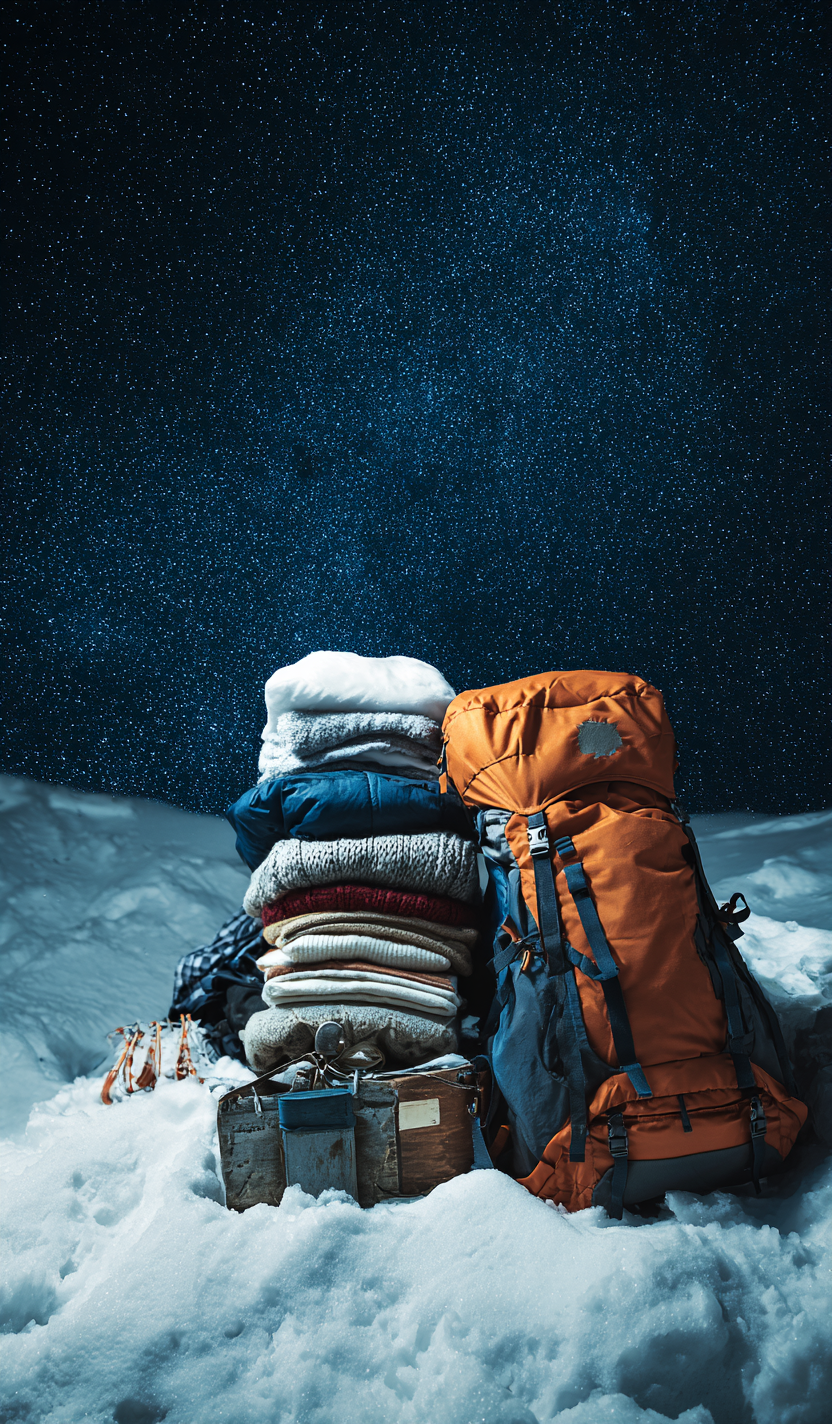
Your base layer sits right against your skin and manages sweat. Pick moisture-wicking materials like merino wool or synthetic fabrics such as polyester.
These fabrics pull sweat away from your body so it can evaporate instead of chilling you. Avoid cotton; once it’s wet, it’ll keep you cold for hours.
A snug but comfy fit traps body heat but doesn’t make you feel like a sausage. Flat seams help prevent chafing, which is huge if you’re hiking or sleeping in your layers.
On longer trips, I always pack an extra set of base layers. Swapping into a dry pair at night is a game-changer. REI’s layering guide has more details if you want to geek out about it.
Mid-Layer Selection for Optimal Warmth
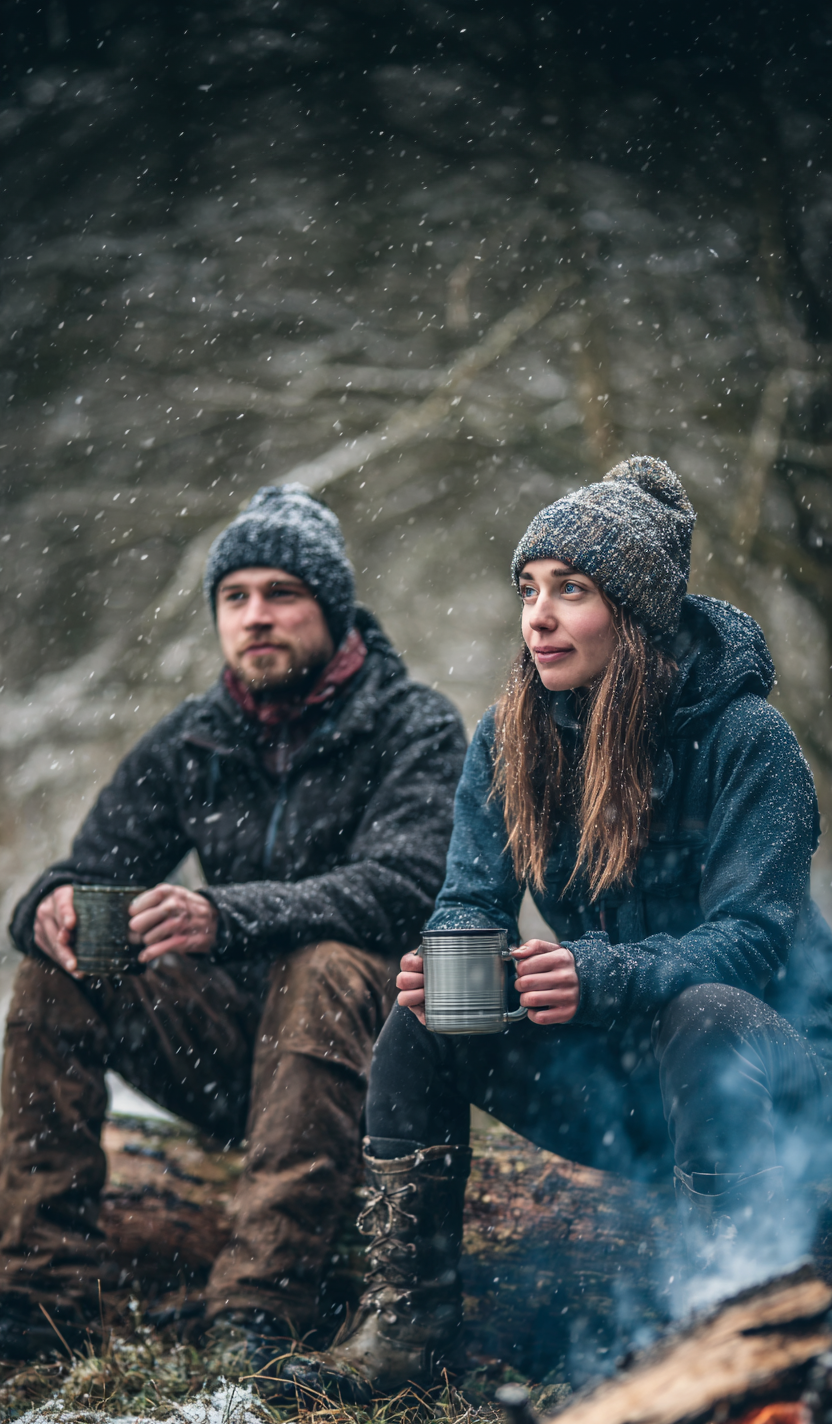
The mid-layer is all about insulation, it traps warm air close to your body. Some folks swear by fleece, others like down, and plenty go for synthetic insulated jackets.
Fleece is lightweight and breathes well, while down gives you serious warmth for its weight. Synthetics still insulate if they get damp, which is nice when the snow’s flying sideways.
Pick a mid-layer that fits over your base layer but doesn’t restrict your movement. If the forecast is unpredictable, maybe bring a lighter and a heavier option, layering is all about flexibility, right?
Need more ideas? The article on how to properly layer for winter camping lays out some practical mid-layer combos.
Outer Layer Protection Against the Elements
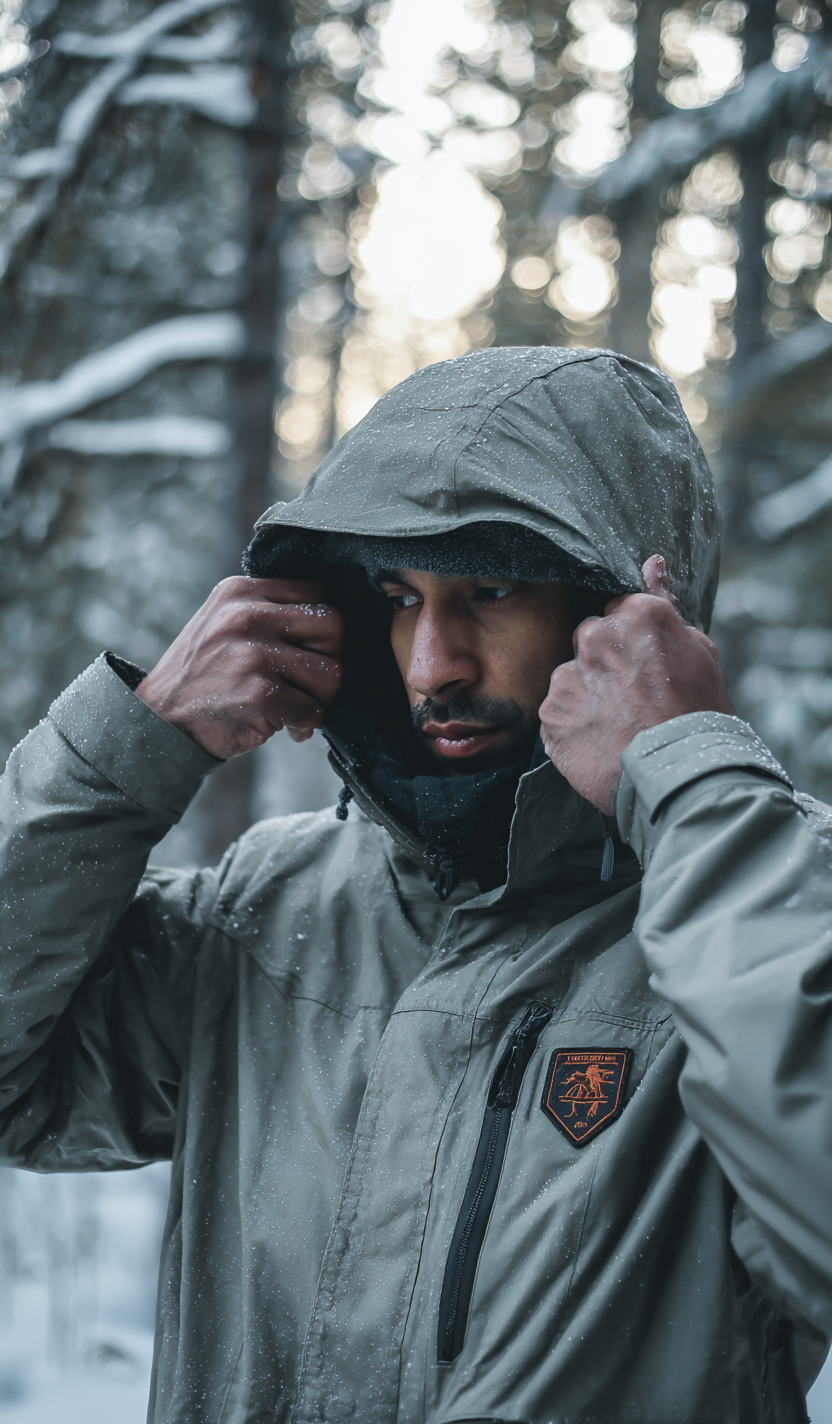
The outer layer is your shield from wind, rain, and snow. Go for a waterproof and breathable shell, think Gore-Tex or eVent, or something similar.
This layer needs to keep moisture out but let sweat escape. Look for adjustable hoods, sealed seams, and ventilation zippers so you can tweak your comfort on the fly.
You want a slightly looser fit so you can move and stuff those inner layers underneath. For the full picture, Go Travel Daily’s winter layering strategies breaks down how outerwear locks in warmth in really nasty weather.
Smart Tips for Staying Comfortable in Cold Weather
Managing your layers and protecting smaller body parts that lose heat fast can make or break your winter camping trip. The right tweaks and accessories help you stay dry and avoid those bone-deep chills.
Adjusting Layers for Activity Levels
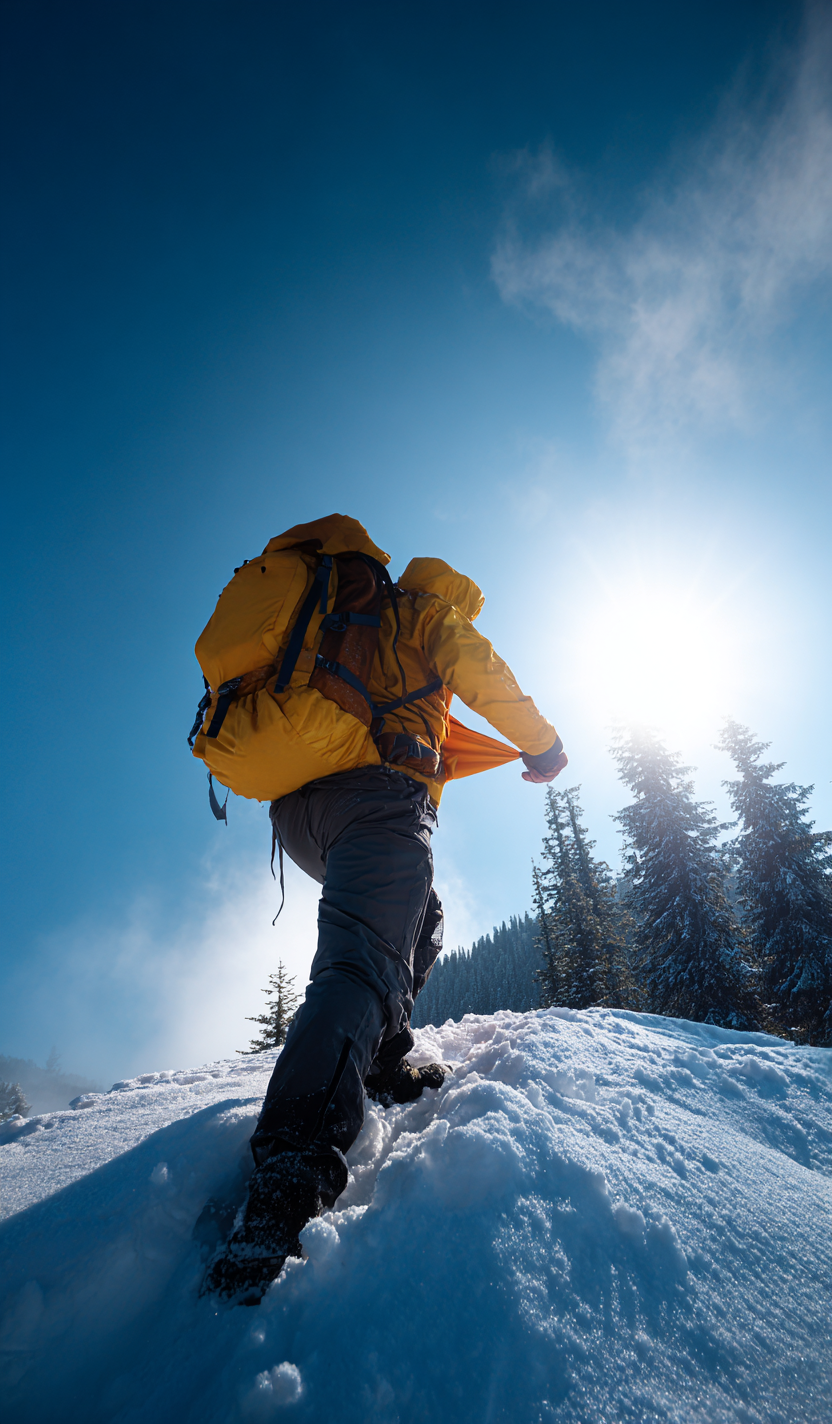
When you’re hiking uphill or hustling to set up camp, your body heats up in no time. If you leave all your layers on, you’ll start sweating, and that sweat will chill you later.
Take off your insulating mid-layer before you get moving hard, then throw it back on when you slow down. I try to start a little cool; it sounds weird, but it stops me from overheating right away.
When you stop to rest, add layers to trap warmth before you cool off. The three-layer system, base, mid, and outer, still works wonders.
Keep your outer shell close in case the wind picks up or snow starts falling. Breathable materials let sweat escape, which is a lifesaver. If you get damp, change into dry clothes as soon as you can, nothing ruins a night like wet layers.
| Activity | Layer Adjustment | Notes |
|---|---|---|
| Hiking uphill | Remove mid-layer | Prevent sweating |
| Resting or eating | Add mid-layer | Retain warmth |
| Sleeping | Dry base + mid-layer | Avoid damp clothes |
Layering Accessories for Extra Warmth
Don’t underestimate small things, they make a huge difference in the cold. A warm hat, neck gaiter, and insulated gloves protect the spots that lose heat fastest.
I lean toward wool or fleece for insulation and waterproof shells to keep out the wet. For socks, try two pairs, a thin liner to wick sweat and a thicker one for warmth. Change them out if they get wet, no question.
According to Gone Camping Again, layering your clothing and accessories really helps keep your temperature steady and moisture under control.
Hands and feet need extra love. Add boot liners or chemical warmers if it’s really cold. I always stash extra gloves and socks in a dry bag, having a warm, dry backup is just smart.
Conclusion
Layering really does the heavy lifting when it comes to staying warm, dry, and comfortable out there in the cold. Each layer? It’s got its own job, wicking sweat, trapping heat, or blocking out wind and rain.
When in doubt, start with the three-layer system as your go-to:
| Layer | Purpose | Example Materials |
|---|---|---|
| Base | Wicks moisture | Merino wool or synthetic blends |
| Mid | Insulates heat | Fleece or down |
| Outer | Shields from wind and rain | Waterproof shell |
Honestly, it’s not a one-size-fits-all situation. Tweak your setup for the weather and whatever you’re planning to do outside.
Maybe you toss on a Merino wool T-shirt as a backup base layer, or grab a light fleece if it’s just a bit chilly.
Keep your layers clean and dry, yeah, that matters more than you’d think. Packing a couple of extras never hurts, especially when temps nosedive.
If you follow these winter camping layering tips, you’ll have a much better shot at staying warm without turning into a sweaty mess.
With a bit of planning and the right gear, winter camping can actually feel pretty cozy. You might even start looking forward to those unpredictable weather shifts, well, maybe.
