
Drilling holes in the ice can make or break your fishing trip. A clean, well-placed hole saves you time, keeps you safe, and helps you catch more fish.
With the right hacks, you can drill faster, safer, and smarter without wasting energy or missing out on the best spots.
You don’t need years of experience to figure this out. Just a few solid tricks and you’ll skip the usual rookie mistakes and get straight to fishing.
These hacks will show you how to set up your auger, space your holes, and keep your gear working smoothly all day.
Table of Content
Key Takeaways
- Learn simple hacks that make drilling easier
- Discover tips that improve safety and efficiency
- Use smart tricks to get better results on the ice
Essential Ice Hole Drilling Hacks
The right tools, a bit of prep, and good technique make drilling way less of a chore. Small changes in how you set up and use your auger can also extend its life and help you fish more efficiently.
Choosing the Right Auger

You need to match your auger to the type of fishing you plan. A hand auger works well in early ice or when you only need a few holes.
It’s light, affordable, and easy to carry. A power auger, either gas or battery-powered, saves time when drilling multiple holes or cutting through thick ice.
Gas augers are strong but heavier and noisier. Battery augers are quieter, lighter, and easier to start, but you’ve got to watch the battery in the cold.
An 8-inch auger fits most fishing needs, giving you enough room to pull fish through without removing too much ice. If you target larger species, consider a 10-inch blade.
Smaller 6-inch blades work best for panfish and are easier to drill with. For more details on auger options, check out this guide on drilling ice fishing holes.
Prepping Your Drilling Spot

Before drilling, check the ice thickness. At least 4 inches of clear ice is recommended for walking, and more is needed if you use heavier gear.
Use a spud bar or tape measure to confirm the depth before setting up. Clear away snow and loose ice from the area where you plan to drill.
This helps your auger grip better and reduces slipping. It also keeps snow from mixing with slush, which can freeze fast and make cleanup a pain.
Marking your spot with a shovel or scoop helps keep your hole organized if you’re drilling several in a row. A clean surface saves you time and effort once you start cutting.
For a step-by-step approach, see this ice drilling guide.
Maximizing Battery and Fuel Efficiency

Cold temperatures drain batteries and thicken fuel. You can extend battery life by keeping spare batteries in an insulated bag or inside your coat pocket.
Switching them out as you drill keeps power levels steady. For gas augers, use fresh fuel and keep the tank sealed tight.
Old gas can cause hard starts and poor performance. In freezing weather, let the auger warm up for a minute before drilling.
Drill in short, smooth bursts instead of forcing the auger through. This reduces strain on the motor and conserves energy.
If you need to drill many holes, plan them in a line or grid to avoid wasting time and power moving around. Helpful tips on efficiency are shared in this comprehensive drilling guide.
Clearing Slush Effectively
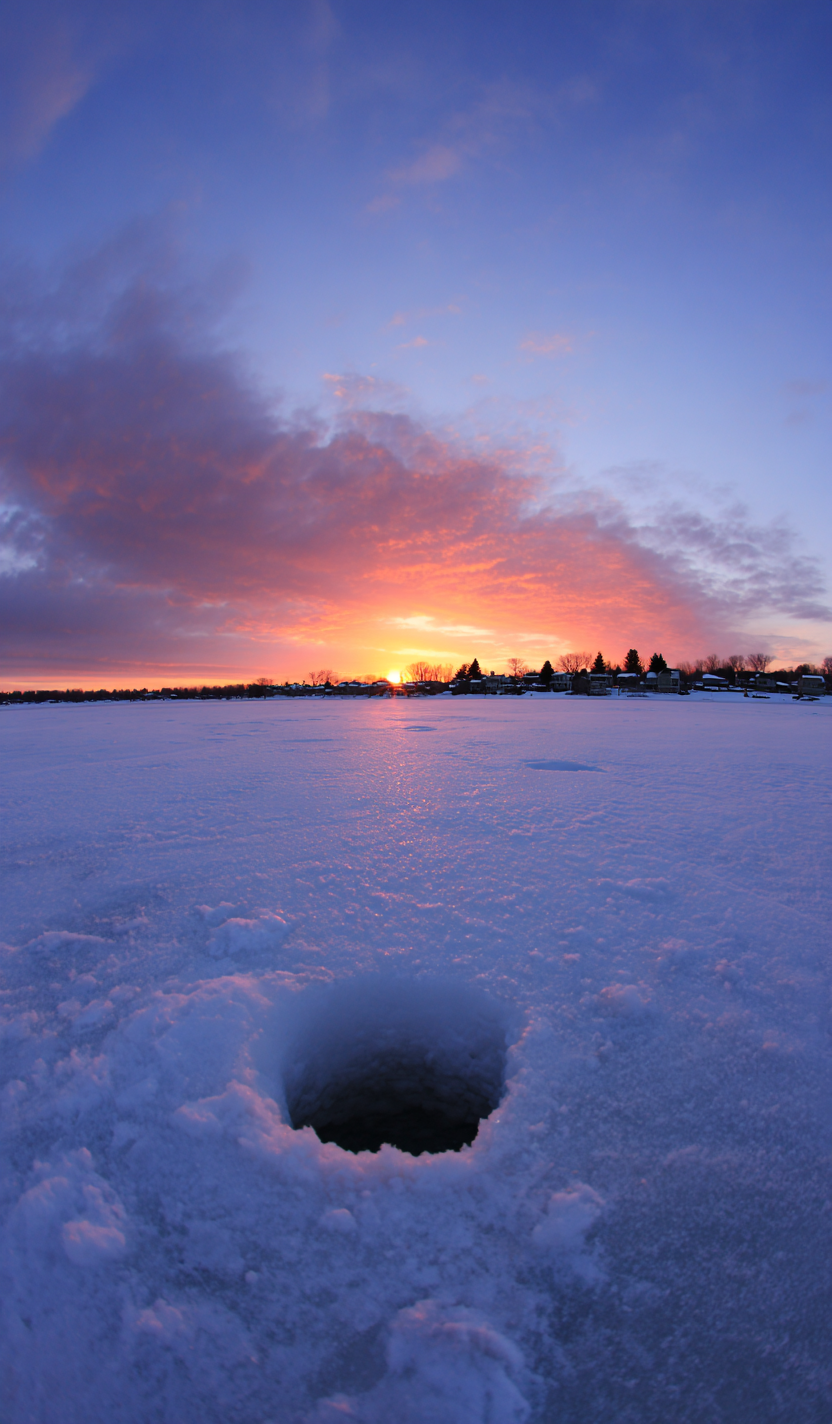
After drilling, you’ll need to remove slush so your line doesn’t freeze in place. A skimmer scoop is the most common tool, and it works best if you clear the hole right away before the slush hardens.
If you drill many holes, bring a larger slush shovel to speed up the process. Some anglers use a battery-powered slush remover that vacuums water and ice out quickly.
Leaving slush around your hole creates slippery spots and can freeze your gear in place. Clearing it fully makes fishing more comfortable and keeps the area safe.
For more practical advice, check these tips for drilling ice fishing holes.
Advanced Tips for Safer and Faster Drilling
You can drill more efficiently and avoid problems by focusing on how you handle the auger, how you deal with freezing temps, and how you care for your gear. Small tweaks in these areas can make your time on the ice smoother and safer.
Preventing Ice Auger Jams

An auger jam usually happens when slush builds up around the blades or when you push down too hard. Instead of forcing the auger, let the blades do the cutting.
Steady pressure helps the drill cut smoothly without binding. Clear slush often with a scoop.
By removing it as you go, you cut down the chance of the blades getting stuck. A clean hole also makes it easier to drop your line without ice chunks in the way.
If you use a powered auger, keep the RPM steady. Sudden surges can push too much ice into the blades, which increases the chance of a jam.
Keeping a consistent pace is safer and honestly less tiring.
Drilling in Extreme Cold

When temps drop well below freezing, your auger and hole can freeze up fast. To prevent this, keep your auger blades dry before drilling.
Moisture on cold steel can freeze in seconds and make cutting harder. Dress in layers so you can move comfortably.
Heavy clothing that restricts movement makes it harder to control the auger. Good gloves with grip help you hold on firmly without losing dexterity.
If you drill multiple holes, space them apart so slush doesn’t freeze together. This also helps prevent ice from cracking between holes.
For more cold-weather drilling advice, check out these tips for drilling ice fishing holes.
Maintaining Your Equipment

Sharp blades are the most important part of your auger. Dull blades make you push harder, which slows you down and increases the risk of slipping.
Carry a spare set of blades so you can swap them if needed. After each trip, dry your auger and store it in a cool, dry place.
Moisture left on the blades or motor can cause rust or damage. A simple wipe-down with a cloth goes a long way.
Check bolts, handles, and fuel (if gas-powered) before heading out. Loose parts or old fuel can cause breakdowns on the ice.
Regular care keeps your auger ready for the next season and saves you from frustration.
Conclusion
So, let’s get right to it. Drilling ice holes doesn’t have to be a pain if you know a few tricks.
Choosing the right auger matters. Honestly, it can make or break your day out there.
Don’t forget to keep those blades sharp and clean. Dull blades? That’s just asking for trouble.
Clear slush as you go. It’s one of those little things that saves a lot of hassle.
Spacing your holes isn’t just about comfort; it’s about safety, too. Give yourself room to move.
Steady pressure while drilling goes a long way. No need to rush or force it.
Always, always check the ice thickness before you start. That’s non-negotiable.
Got power tools? Use ’em wisely. Sometimes less is more.
Here’s a quick checklist that might help:
| Step | Action | Benefit |
|---|---|---|
| 1 | Check ice thickness | Stay safe |
| 2 | Sharpen blades | Drill faster |
| 3 | Clear slush | Keep holes open |
| 4 | Space holes | Fish more effectively |
If you keep these 7 hacks in mind, you’re setting yourself up for a better day. Less stress, more time actually fishing—sounds pretty good, right?
And hey, if you want a laugh or two, check out some ice fishing humor while you’re at it. Sometimes that’s the best hack of all.

looking for a rubber tube that can be inflated after putting in fishing hole to keep the hole from freezing shut. Deflated and removed to fish the next day. Do you know where I can find such a thing?
Maybe try an inflatable tube for kids? Though the plastic can probably break if it’s very cold or it might be too big…