
Chasing big fish through the ice isn’t just about luck. You’ll need some clever tricks to draw them in, and plenty of patience to land them once they finally bite.
With the right approach, you can consistently hook larger fish instead of settling for small ones.
You’ll pick up proven tactics like jigging patterns that trigger strikes. There are also bait setups that target trophy fish, plus ways to spot the best locations under the ice.
These methods actually work in real conditions and give you an edge when the bite slows down. Each trick focuses on simple actions you can take right away.
By the end, you’ll know how to turn your time on the ice into a real shot at landing a monster catch.
Table of Content
Key Takeaways
- Learn practical tricks that improve your chances of catching big fish
- Discover strategies that make your setup more effective on the ice
- Use proven methods to consistently target larger fish
Essential Big Fish Ice Fishing Tricks
Catching large fish through the ice isn’t just about luck. You’ve got to know where to drill, what bait to use, and how to move your lure in a way that triggers strikes from the biggest fish down there.
Locating Trophy Fish Under the Ice
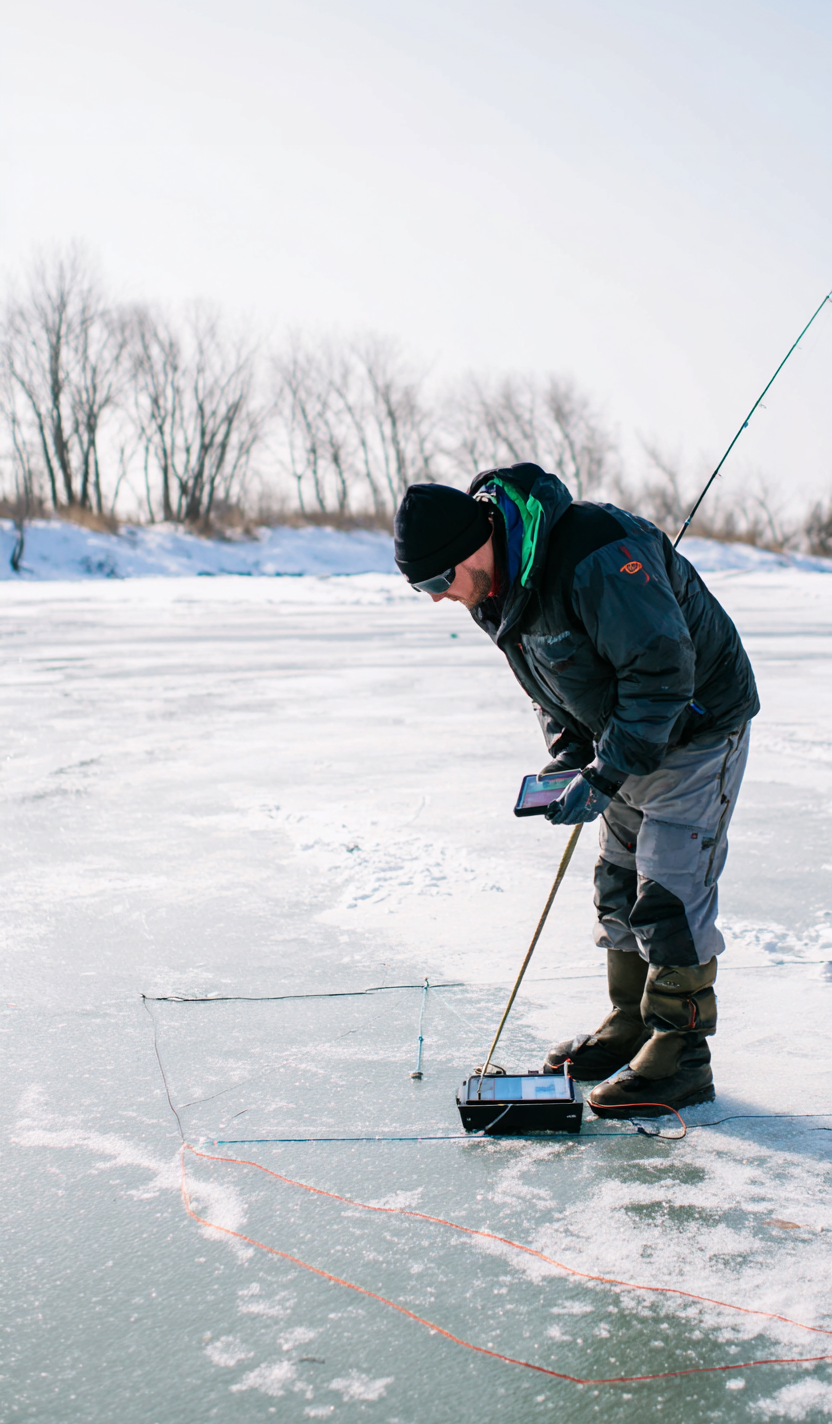
Big fish usually hang out near structures that offer cover and easy meals. Look for drop-offs, submerged trees, and rocky points.
These spots give predators like pike and lake trout a good shot at ambushing prey. Use a depth finder or sonar to look for changes in bottom depth.
Even a small ledge or hump can pull in larger fish. If you don’t have electronics, drill test holes in a grid to explore different depths until you find some action.
Time of day can matter, too. Early morning and late afternoon often bring more movement under the ice.
Fish might roam shallower spots during these times, especially near weed edges.
Choosing the Right Bait for Giants
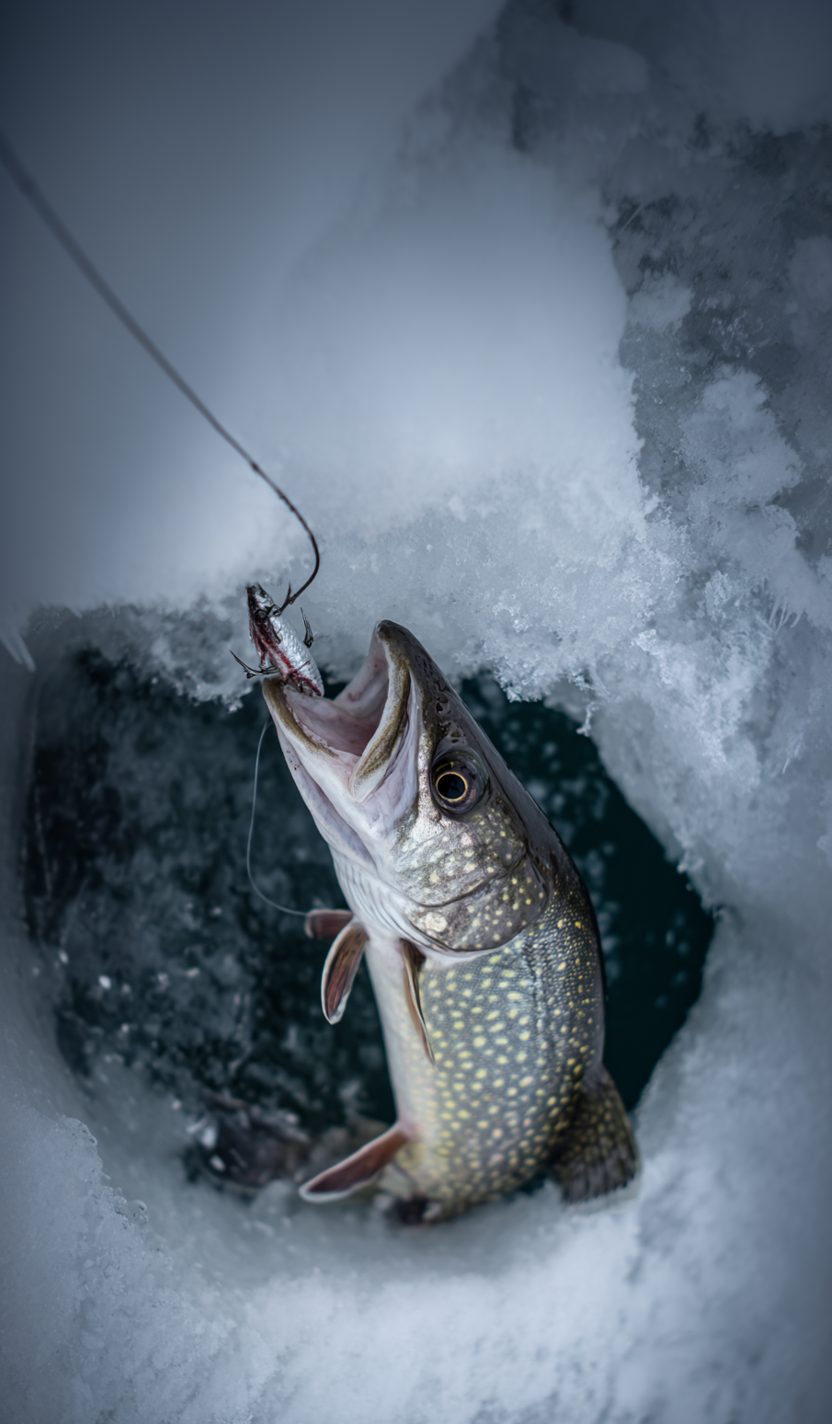
Large fish tend to want a bigger meal. Small bait might catch panfish, but it won’t tempt trophy predators.
Go for large minnows, smelt, or cut bait. Oversized spoons and jigs also work well since they mimic the flash and movement of prey.
Match your bait to the fish you’re after. For example:
- Pike: Large live minnows or flashy spoons
- Lake Trout: Tube jigs or white swimbaits
- Walleye: Jigging spoons tipped with minnows
Keep your bait fresh and lively. A struggling minnow under the ice often outperforms a dead one.
If you’re using dead bait, cut it to release more scent, it helps in murky water. You can dig deeper into bait choices for big species with these ice fishing tips and techniques.
Mastering Jigging Techniques for Big Catches
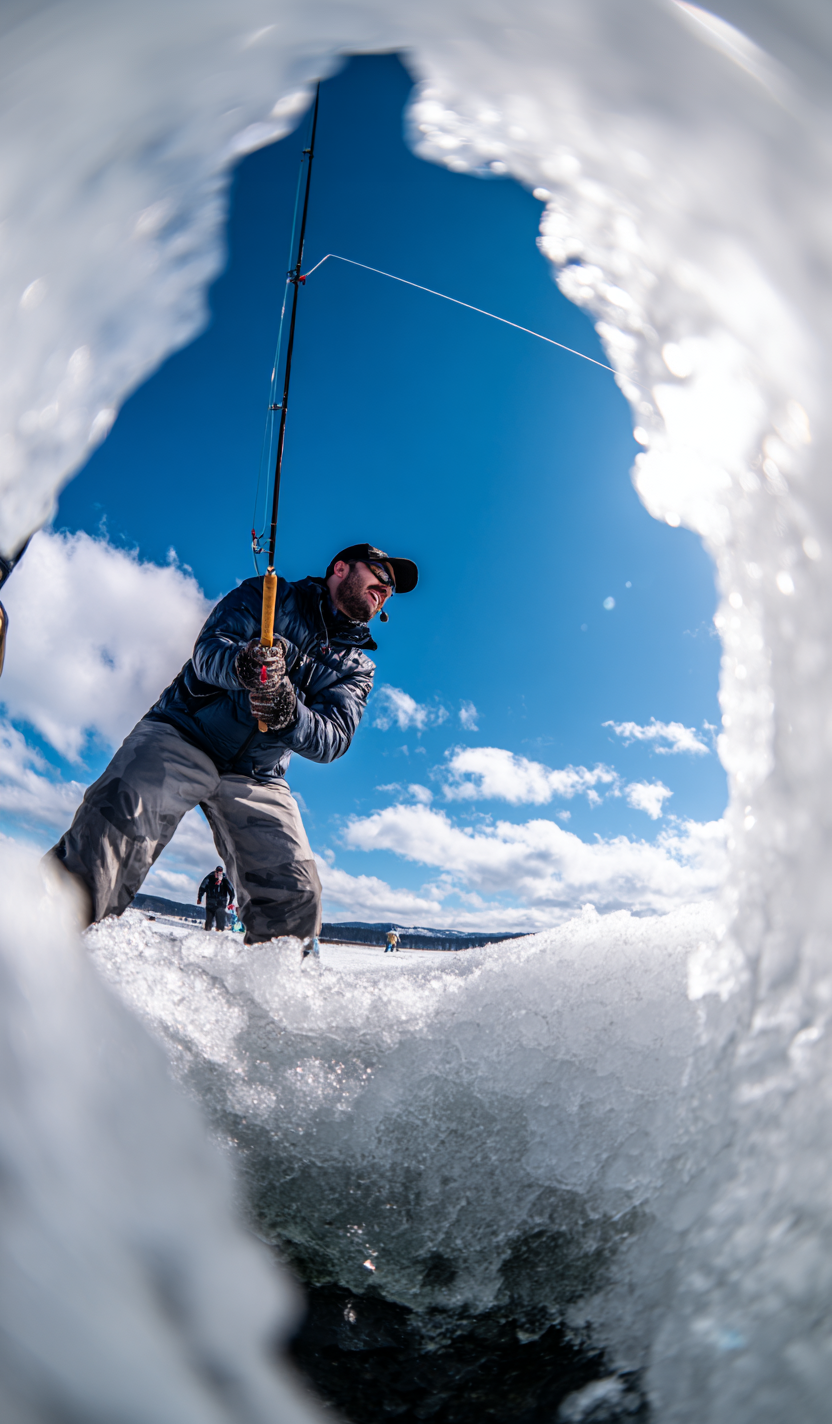
Jigging is one of the best ways to get bites from big fish. The trick is to mix up your movements until something works.
Start with a lift-drop motion and then pause to let the lure flutter down. This looks like a wounded baitfish.
Big fish often strike during the pause. Keep your line tight and be ready to set the hook fast.
Use heavier jigs if you’re fishing deeper water, they fall quicker and stay in the strike zone longer.
Try different rhythms:
- Slow lifts for cautious walleye
- Aggressive snaps for fired-up pike
- Smooth sweeps for lake trout
For more advanced stuff, check out these ice fishing techniques covering jigging, dead sticking, and sight fishing.
Advanced Strategies for Landing Monster Fish
Landing a big fish under the ice isn’t just about luck. You’ll need the right tools and a plan for when to hit the ice.
Fine-Tuning Your Electronics for Success
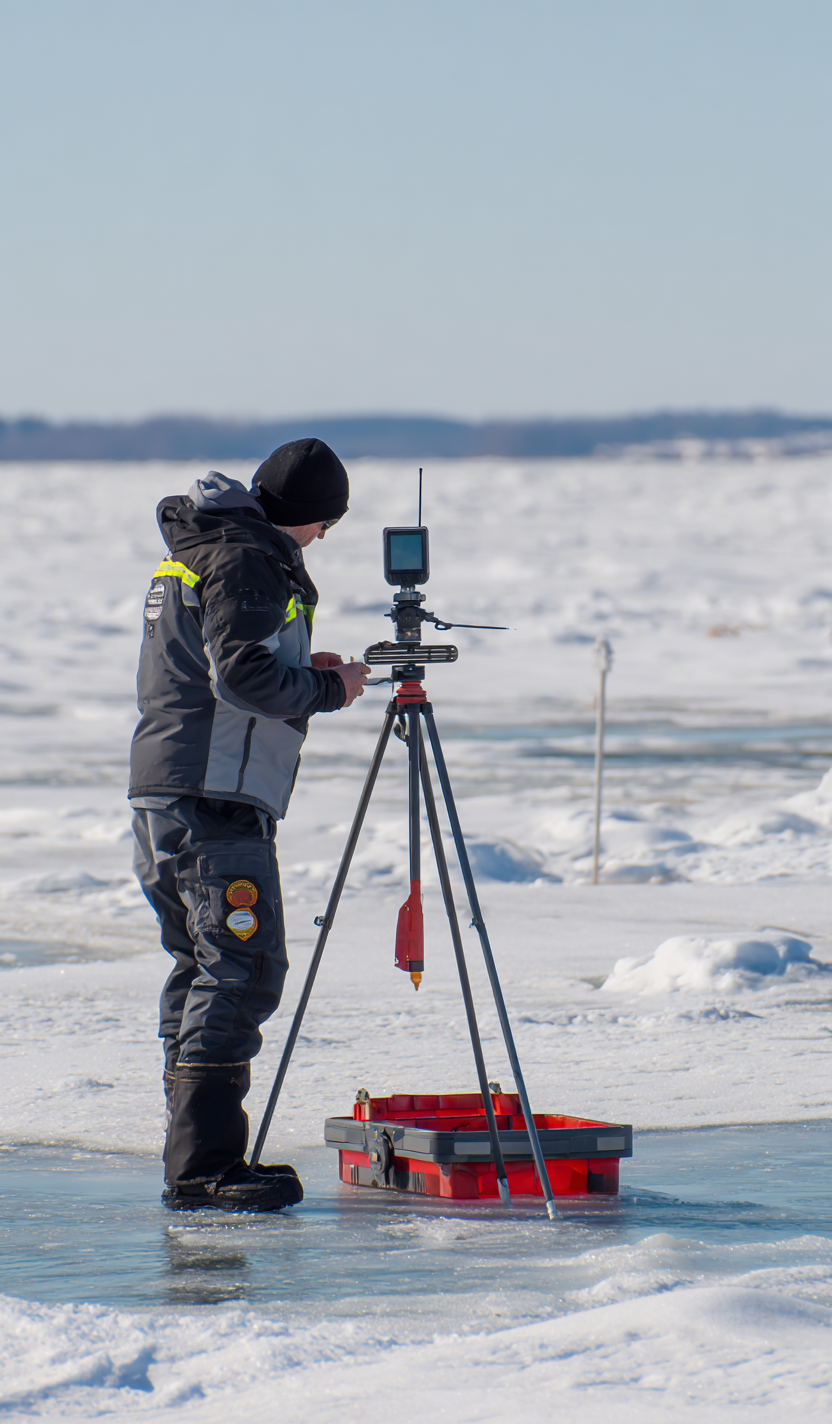
Your sonar or flasher is one of the most valuable tools out there. Adjust the sensitivity so you can pick up both small baitfish and big predators below.
If your screen’s a mess, lower the gain until you get a clear picture. Use zoom features to focus on certain depths, if lake trout are hanging out near the bottom, zoom in on those last 10 feet.
This makes it easier to spot subtle movements and react fast. Pair your electronics with a reliable GPS.
Mark productive holes so you can come back later instead of drilling all over the place. A lot of anglers use grid drilling with electronics to cover more water and boost their odds.
To keep your setup running, bring extra batteries and keep them warm. The cold drains power fast, and losing your electronics mid-trip is the last thing you want.
Timing Your Outings for Peak Action
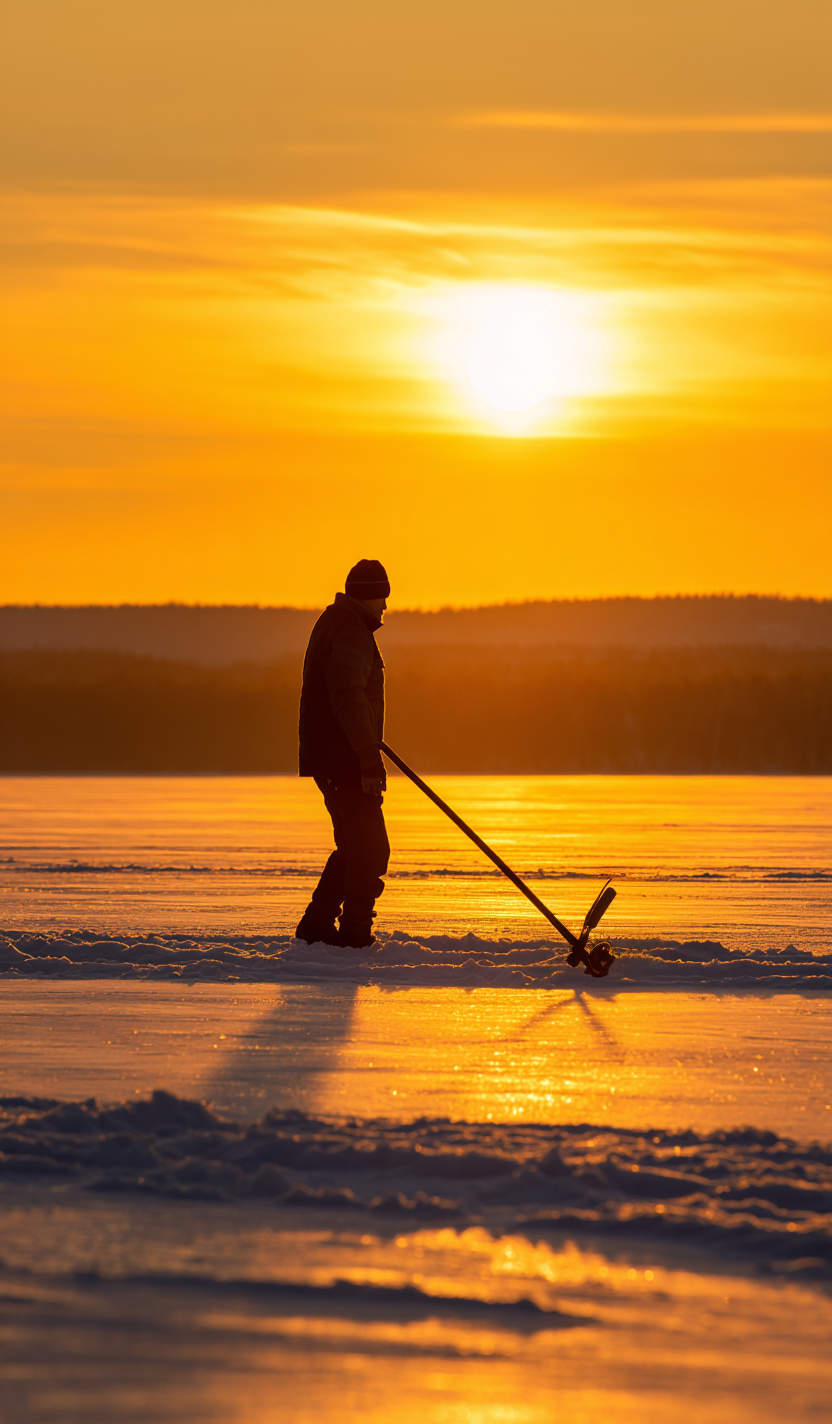
Fish under the ice aren’t active all day. Species like walleye and pike usually get going during low-light times at dawn and dusk.
If you plan your trips around those windows, you’re more likely to hook into something big. Weather matters, too.
A stable barometer usually means consistent bites, but a quick drop in pressure can trigger short feeding frenzies. Checking forecasts before you go helps you time things right.
Moon phases can play a part as well. Some anglers swear by full and new moons for better action, maybe it’s the changing light down there.
Keeping a simple log of your trips can help spot patterns over time. If you’re stuck fishing midday, aim for shaded spots or deeper water where fish rest when it’s bright.
Sometimes, that little shift is all it takes to turn a slow day into a good one.
Conclusion
So, you’ve picked up five tricks to help you target bigger fish through the ice. Each one’s built around simple steps, nothing fancy, just stuff you can actually use out there.
Drilling more holes? It’s a bit of work, but it lets you cover more water and see what’s really going on below. Changing your jigging rhythm or playing with bait size can wake up those stubborn fish, too.
If you’re using a fish finder, you’ll waste less time guessing. Honestly, it’s a game-changer for a lot of folks.
But don’t skip the safety part. Always check that the ice is at least 4 inches thick, seriously, it’s not worth the risk. These ice fishing strategies make that pretty clear.
Just a quick rundown:
- Drill multiple holes, cover more ground
- Match bait size to whatever you’re after
- Try a lift-fall-pause jigging motion
- Use sonar or fish finders to track down schools
- Check ice thickness before you set up
Give these a shot next time. You might just land something worth bragging about.
