
Crappie fishing offers some of the most exciting angling experiences in America. Certain lakes stand out for their trophy-sized fish.
If you’re planning your next fishing trip, knowing where to cast your line can make all the difference between an average outing and a cooler full of slabs.
The most productive crappie fishing destinations in the United States include Grenada Lake, Kentucky Lake, and Lake of the Ozarks. Anglers regularly catch impressive 1½ to 2-pound specimens at these spots.
While many fishermen focus on well-known spots, there are several crappie hotspots you might not have considered that offer excellent opportunities without the crowds.
States like Florida, Illinois, and Iowa consistently rank among the top states for giant crappie, with their diverse waterways providing ideal habitats for these popular panfish.
Whether you’re a seasoned angler or just getting started, America’s best crappie lakes promise memorable fishing adventures with the potential for trophy catches.
Table of Content
Key Takeaways
- Grenada Lake, Kentucky Lake, and Lake of the Ozarks are among the premier destinations where you can catch trophy-sized crappie.
- Florida, Illinois, and Iowa consistently rank as top states for finding giant crappie exceeding 13-14 inches.
- The best crappie fishing locations offer both quantity and quality, with many lesser-known lakes providing excellent opportunities without crowds.
Top Crappie Fishing Destinations in the US
The United States offers some incredible lakes where you can catch trophy-sized crappie. These destinations are known for their abundance of “slabs” – the nickname for crappie measuring 13 inches or larger.
Grenada Lake, Mississippi
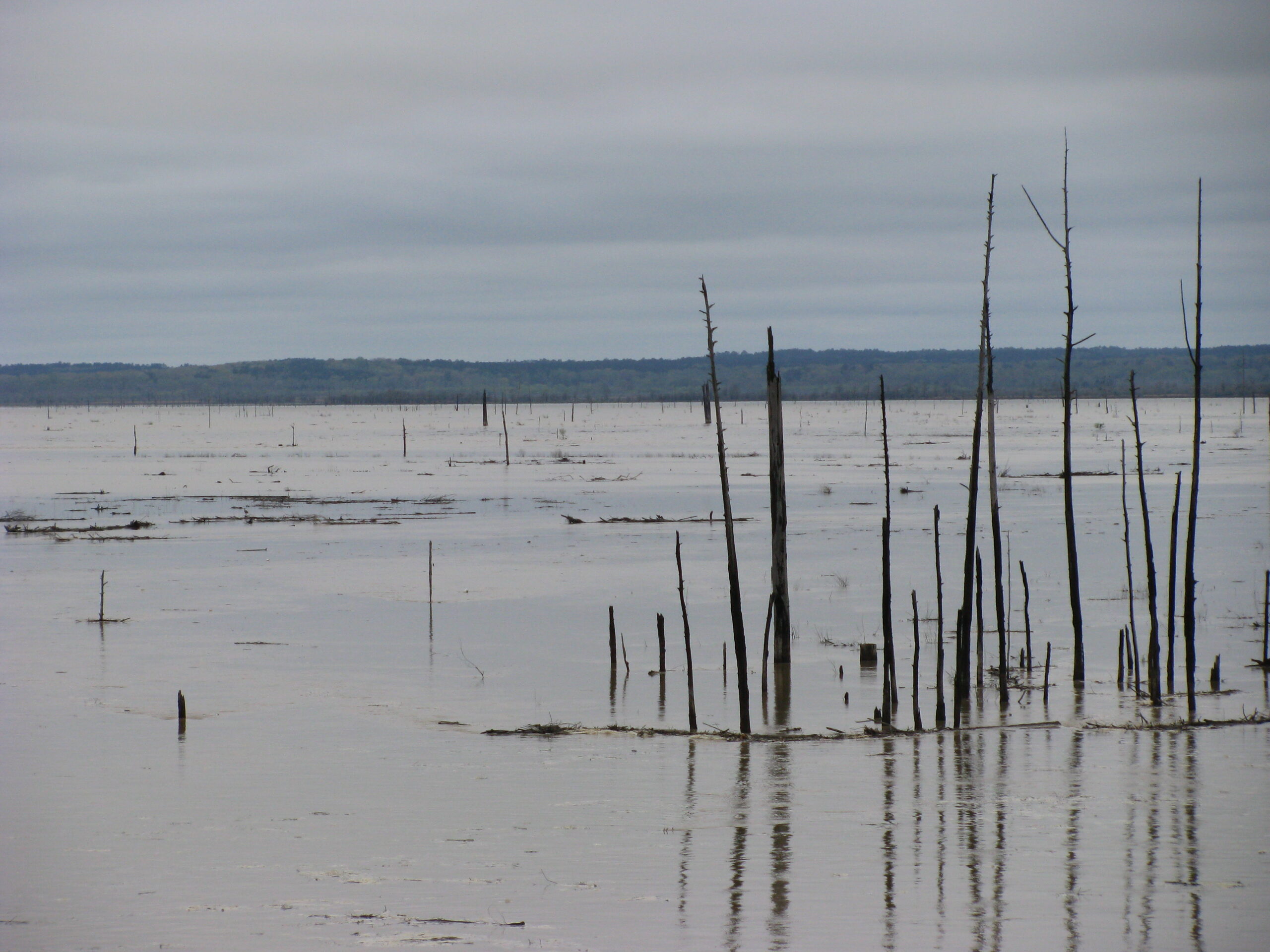
Grenada Lake consistently ranks as the #1 crappie fishing destination in America. This 35,000-acre reservoir is famous for producing monster-sized white crappie. Many anglers head here specifically to catch the 2+ pound slabs that swim in these waters.
The best fishing typically happens in March and April during the spring spawn. However, you can catch quality fish year-round by adjusting your tactics with the seasons.
When fishing Grenada, try trolling with minnows or jigs in deeper channels during summer and winter.
During spring, target shallow areas near vegetation where crappie spawn. The Grenada Lake area holds the world record for the largest white crappie ever caught.
Local guides recommend using electronics to locate the distinct schools that form here, as finding the right spots can make all the difference.
Kentucky Lake, Kentucky/Tennessee
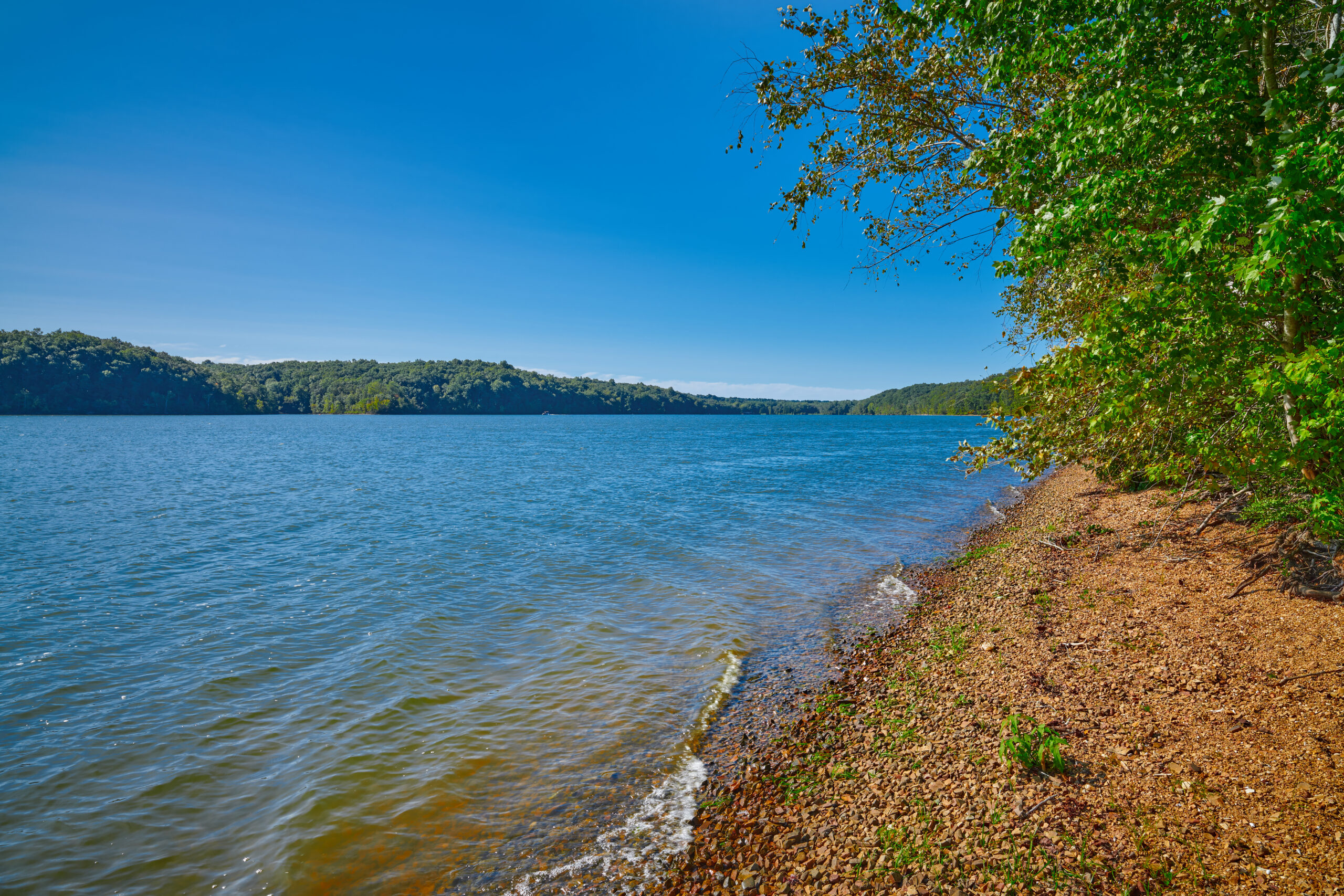
Kentucky Lake spans two states and offers excellent crappie fishing across its massive 160,000 acres. This massive reservoir ranks consistently as a top-three crappie destination nationwide.
You’ll find both black and white crappie species here. The lake features countless coves, creek channels, and brush piles that hold fish.
Spring fishing (March-May) brings crappie to shallow bays and coves for spawning. During summer and fall, focus on deeper structures along creek channels and ledges.
Popular techniques include:
- Spider rigging with multiple poles
- Vertical jigging around brush piles
- Casting small jigs to visible structure
The Paris Landing area on the Tennessee side and Jonathan Creek on the Kentucky side are particularly productive spots. Electronics are essential here for finding submerged structures where crappie gather.
Lake of the Woods, Minnesota
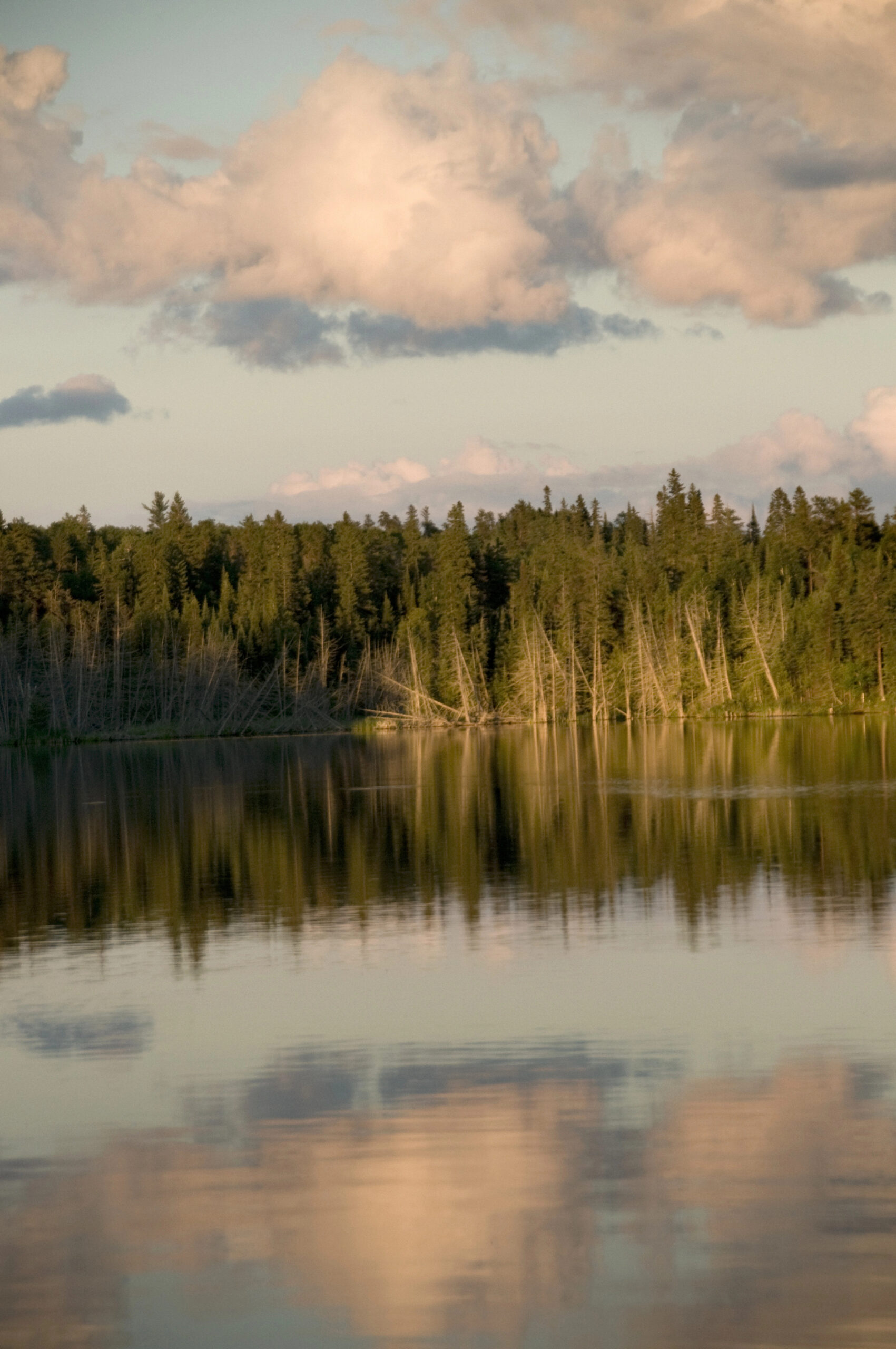
Lake of the Woods offers a unique crappie fishing experience compared to southern powerhouses. This massive northern lake features clear waters and a healthy population of black crappie.
Though the fish might not reach the enormous sizes found in Mississippi waters, what they lack in size they make up for in numbers and fighting spirit. The average keeper runs between 10-12 inches.
You’ll want to focus on deep holes during winter, while spring brings fish shallow around the countless islands and bays. The Cut Foot Sioux Lake and Pokegama Lake areas are especially productive.
Try using light tackle with small jigs tipped with plastics or live bait. During summer months, target suspended fish around deeper structures or weed edges.
The beautiful northwoods setting makes this destination special, offering stunning scenery while you fish for these tasty panfish.
Crappie Fishing Techniques for Success
Mastering the right techniques will dramatically improve your crappie fishing results. These methods have been tested by pros across America’s top lakes and will help you catch more crappie regardless of conditions.
Jigging Strategies
Jigging is one of the most effective ways to catch crappie.
Start with a 1/16 or 1/8 ounce jig in colors that match local forage—chartreuse works great in murky water, while natural colors excel in clear conditions.
Vertical jigging around structure is deadly effective. Hold your rod tip up and make small, subtle movements to entice strikes. This works especially well when fishing near creek mouths and shorelines.
Try “shooting docks” by holding the jig, bending your rod, and releasing to skip jigs under structures where crappie hide. This technique reaches spots other anglers miss.
For suspended crappie, use your fish finder to locate schools, then drop your jig just above them. The slow fall often triggers reaction strikes from even reluctant fish.
Minnow Fishing Methods
Live minnows remain the gold standard for crappie fishing.
Hook them lightly through the back or lips to keep them lively longer. A simple slip-bobber rig keeps your bait at the perfect depth.
For structure fishing, try a double-minnow rig with hooks set at different depths. This helps you discover where crappie are holding in the water column. When fish are really biting, this can double your catch rate!
Slow trolling (spider rigging) with minnows works wonders on big lakes. Set up 6-8 rods in rod holders with minnows at various depths, then move at 0.5-1 mph to cover water efficiently.
When fishing transition areas like flats and coves, try a slip-cork rig that lets your minnow drift naturally with the current. This presentation is incredibly effective during pre-spawn periods.
Seasonal Tactics
Spring: Focus on shallow areas where crappie spawn. Target shallow coves and creek backs in 1-6 feet of water. Small jigs under bobbers or slow-retrieved minnows work wonderfully. Dawn and dusk offer peak action.
Summer: Crappie move to deeper, cooler water. Look for them around submerged brush piles, creek channels, and thermoclines in 15-25 feet. Early mornings can still produce in shallower water before the sun gets high.
Fall: This transition period finds crappie following baitfish. Check creek mouths and channel swings near banks. Vertical jigging with flashy lures or tight-lined minnows produces well.
Winter: Crappie school tightly in deep water. Use your electronics to find them, then fish directly above with small jigs or minnows. Slow your presentation—cold water makes crappie less aggressive, but they’ll still bite.
Essential Crappie Fishing Gear and Equipment
Having the right equipment makes all the difference when targeting crappie. Your success on the water depends on using specialized gear that matches the unique habits of these popular panfish.
Rods and Reels
Crappie fishing demands specific rod characteristics for the best results.
Look for lightweight rods between 5-10 feet in length, with 6-8 foot ultralight options being most popular among serious anglers. These shorter rods work well for jigging, while longer poles excel for spider rigging or shooting docks.
For sensitivity, choose rods with graphite blanks that help you detect the lightest bites.
Many crappie specialists prefer rods with a medium-light to ultralight power rating and a fast action tip.
Your reel should be a lightweight spinning model in the 500-1000 size range. This balances nicely with ultralight rods and provides smooth drag performance when fighting larger slabs.
Consider combo sets if you’re just starting out – they offer good value while you learn what features matter most to your fishing style.
Fishing Lines and Hooks
Line choice significantly impacts your crappie-fishing success. Most experienced anglers prefer:
- Monofilament: 4-6 pound test for general use
- Fluorocarbon: 2-4 pound test when extreme clarity is needed
- Braided line: 10-15 pound when fishing around heavy cover
Fluorocarbon excels in clear water situations because of its near-invisibility underwater. For cold-weather fishing, monofilament offers better handling and fewer issues with line memory.
Hook selection should focus on thin-wire options that won’t damage live bait.
Size #1 to #4 Aberdeen hooks work wonderfully for minnows, while smaller #6 to #8 hooks perform better with tiny jigs or for using worms and insects.
Always carry a variety of hook sizes to match different bait options and fishing conditions you might encounter during your trip.
Lures and Bait
Crappie respond to both artificial lures and live bait options.
For artificials, jigs reign supreme in the crappie world. Stock your tackle box with:
- 1/32 to 1/8 oz jigheads in various colors
- Tube jigs in white, chartreuse, and black
- Soft plastic grubs (1-2 inch)
- Small inline spinners
- Tiny crankbaits for trolling
For live bait, minnows are the gold standard. Fathead and golden shiners in the 1-2 inch range trigger the most strikes. Keep them lively in an aerated bucket.
Other effective live options include wax worms, crickets, and small nightcrawler pieces.
During spring spawning periods, specialized crappie baits like Slab Slayers and Bobby Garland Baby Shads have proven especially effective.
Match your bait presentation to water clarity and temperature for best results.
Bright colors excel in stained water, while natural tones work better in clear conditions.
Conclusion
Crappie fishing offers amazing opportunities across America. Whether you’re a beginner or an experienced angler, these top destinations provide excellent chances to catch trophy-sized fish.
Mississippi’s Grenada Lake consistently ranks as one of the best spots for monster crappie.
Kentucky Lake and Tennessee’s Reelfoot Lake follow closely behind in popularity.
Don’t overlook Illinois, where Kinkaid, Rend, and Shelbyville lakes offer stellar crappie fishing experiences. The Land of Lincoln might surprise you with its quality catches!
Lake Fork in Texas deserves special mention for serious crappie anglers. It’s a favorite among experienced fishermen looking for impressive catches.
Alabama, Louisiana, and Missouri are also fantastic states to consider for your next crappie adventure. Each offers unique fishing environments and healthy crappie populations.
Remember to check fishing regulations before your trip. Seasons and limits vary by state and sometimes by specific lakes.
With the right equipment, some patience, and a visit to these top destinations, you’ll be well on your way to landing trophy crappie. Happy fishing!
